Over two-thirds of energy leaders say infrastructure gaps hinder projects
Still, 96% expect critical assets to remain operational during major disruptions.
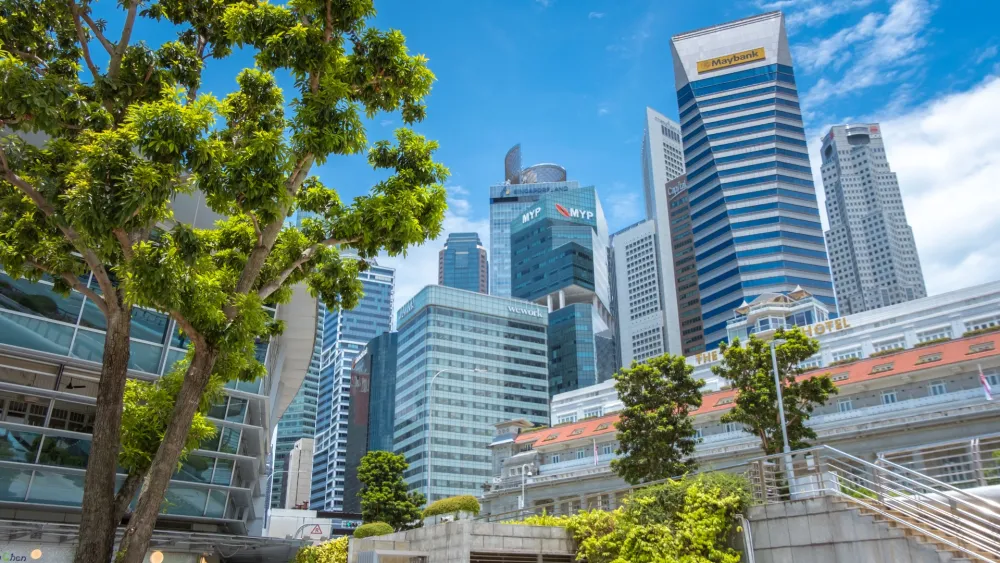
More than two-thirds (67%) of Singapore energy-sector leaders said inadequate supporting infrastructure hindered energy project delivery, the highest proportion amongst five markets surveyed by Jacobs.
Approximately 51% identified the readiness of supporting infrastructure, including water, transport, and telecommunications, as a major constraint, whilst another 16% considered it critical.
"The challenge is systems integration: ensuring energy, land, infrastructure, regulation, and neighbouring markets move together rather than optimising individual assets," the report said.
Policy and regulatory uncertainty, permitting, network readiness, and supply-chain capacity were also identified as barriers to energy infrastructure delivery.
However, the majority (96%) of the respondents expressed confidence that their organisations' critical assets would continue operating during a major disruption, including 35% who were very confident and 61% who were somewhat confident.
About 68% identified geopolitical disruption as an operational threat, making it the most frequently selected risk.
The report surveyed 600 senior energy-sector decision-makers across Singapore, Australia, Germany, the UK, and the US.
The findings come as 95% of Singapore's electricity is generated using imported natural gas. Meanwhile, Jacobs said solar energy could meet only 10% of projected electricity demand by 2050.
“The government now aims to import around 6 gigawatts (GW) of low-carbon electricity by 2035, equivalent to around one-third of projected energy demand at that point,” it added.
As of August, 13 electricity import projects representing 9.25 GW had received Conditional Approvals, with six Indonesian projects progressing to Conditional Licences.
However, the report warned that greater reliance on regional electricity imports could introduce additional risks involving cross-border regulation, infrastructure ownership, operating arrangements, and geopolitical exposure.
"Diversifying away from imported gas can strengthen resilience, but greater reliance on power imports from surrounding countries also creates dependencies that Singapore can’t manage domestically," it said.
Jacobs recommended regular stress-testing of gas inventories, standby liquefied natural gas (LNG), and alternative-fuel reserves against shipping disruptions or simultaneous supply outages over the next one to two years.
It also called for expanded demand-response programmes that incentivise consumers to reduce electricity consumption during periods of system stress.
Over the next five years, the consultancy said Singapore's planned second LNG terminal could reduce reliance on a single import facility, whilst improved energy efficiency across industries and buildings could lower peak electricity demand.
Longer-term recommendations include developing an ASEAN electricity trading ecosystem, exploring lower-carbon fuels such as ammonia and hydrogen, and assessing domestic nuclear and geothermal options.
“Given Singapore’s resource constraints, the long-term energy-security strategy is unlikely to be eliminating imports, but reducing concentrated dependencies,” Jacobs added.























 Read Here
 Advertise
 Sign Up