Skills shortage tops capital as growth concern for Singapore CEOs
AI is delivering productivity improvements, but few business leaders have real-time visibility into their returns.
An overwhelming 92% of Singapore CEO respondents expect skills shortages to become a greater barrier to growth than access to capital within the next three years, according to an EY-Parthenon survey.
The Singapore findings were based on 40 respondents within a global survey of 1,200 CEOs from large companies across 21 countries.
Workforce readiness is already emerging as a concern, with 60% of the Singapore respondents saying their organisations were not developing AI skills quickly enough to keep pace with innovation.
Almost all (98%) expect AI to have a greater effect on roles, skills, and ways of working than on overall workforce size over the next three years.
AI is nevertheless producing operational benefits. Some 45% of the Singapore respondents identified the technology as the largest contributor to productivity gains over the preceding 12 months, ahead of business-process redesign at 33%.
Half of the respondents were reinvesting the additional capacity generated by productivity improvements in innovation and transformation initiatives.
However, businesses are struggling to translate those efficiencies into financial returns. About 20% said AI-driven gains were frequently absorbed by legacy systems, organizational complexity and regulatory requirements before reaching the bottom line.
Measuring returns also remains difficult. Whilst 57% reported at least some reliable visibility into AI costs and returns, only 9% had clear, real-time visibility into their return on investment.
Another 30% could track some AI costs but remained limited in their ability to assess overall returns.
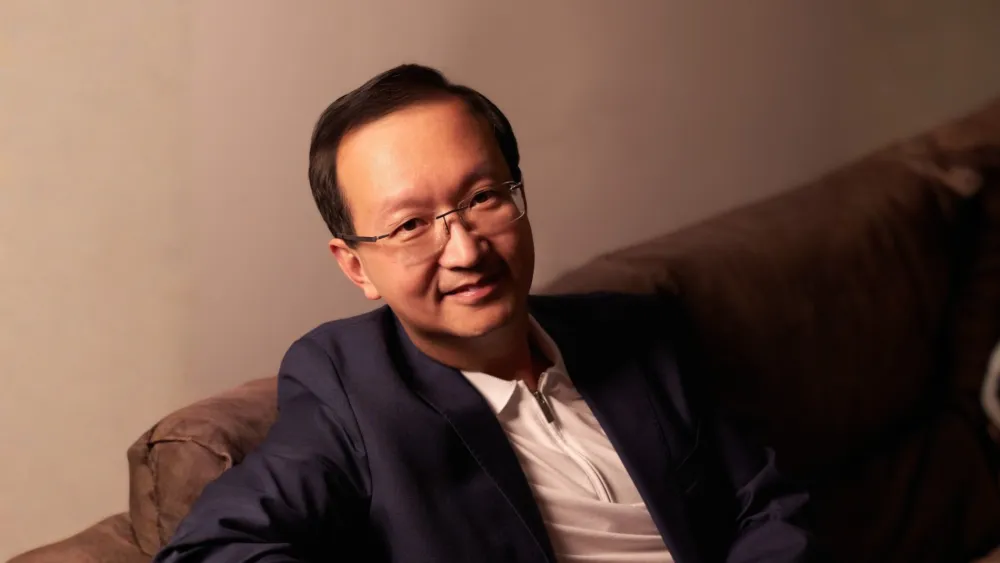
Sriram Changali, EY-Parthenon’s Asean and Singapore strategy and execution leader, said companies frequently deploy AI within individual functions instead of incorporating it into end-to-end workflows.
Leadership capability is also important. Changali said AI literacy should extend to senior executives and boards so they can distinguish isolated experimentation from initiatives capable of generating enterprise value.
Although half of the Singapore respondents identified reskilling as a source of productivity improvement, only 22% said overall productivity gains were being reinvested in workforce development.
Singapore CEOs are also taking a selective approach to expansion. About 72% said their growth strategies were more focused on strengthening existing businesses than on rapid market expansion.
Nevertheless, 85% planned to pursue some form of transaction during the next 12 months. These included acquisitions for 58% of respondents, strategic alliances for 55%, joint ventures for 50%, and divestments for 46%.






















 Read Here
 Advertise
 Sign Up