Home prices may rise 2%-4% in 2027: report
Additional supply and selective demand could moderate the market next year.
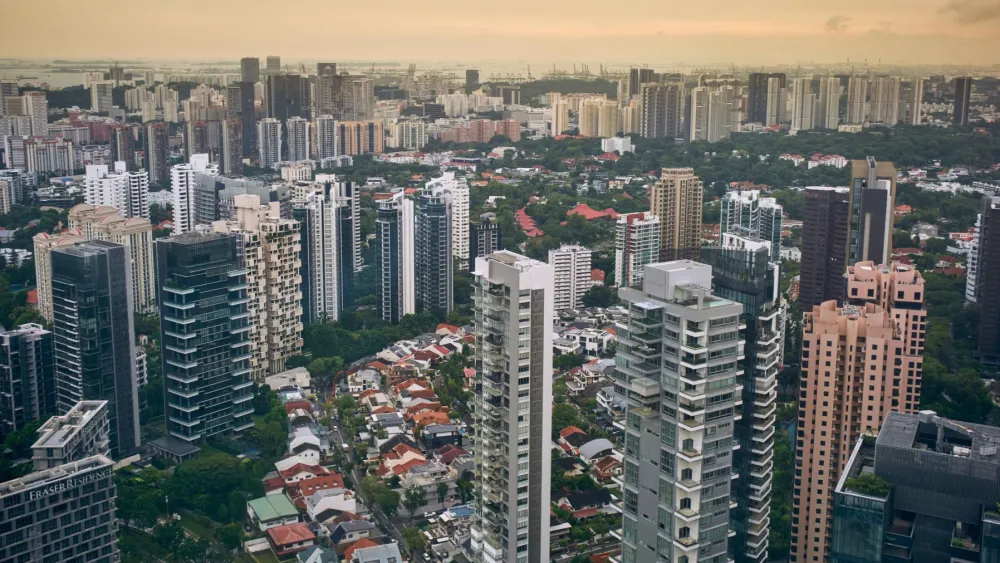
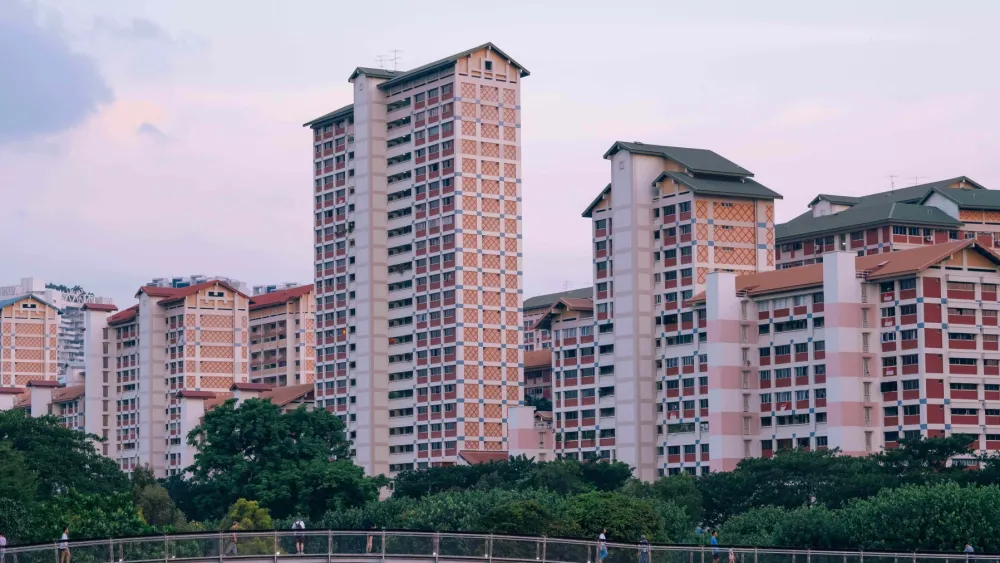
Private-home prices could rise by between 0.5% and 1.1% quarter-on-quarter (QoQ) in the fourth quarter (Q4) before recording more moderate growth of 2% to 4% in 2027, according to List Sotheby’s International Realty Singapore.
The brokerage expects the Q4 increase to bring full-year price growth to between 3.3% and 4%.
Its 2027 base case assumes stable employment, financing rates near historical levels, sufficient absorption of new housing supply, and no additional broad-based cooling measures.
The report assigned a 60% probability to this base scenario.
Under its upside scenario, prices could increase by 4% to 6% if wealth inflows strengthen, financing conditions ease, and new launches achieve high take-up rates.
However, an external recession, labour-market shock, higher interest rates or new property measures could result in price movements ranging from a 2% decline to a 1% increase. The brokerage assigned 20% probabilities to both its upside and downside scenarios.
The forecasts follow an uneven third quarter in which private-home prices increased 1.4%, the fastest quarterly gain since Q4 2024, whilst transaction volume fell about 16% to 5,146 units.
New-home sales dropped 45% to 1,183 units because of limited launches, higher prices, and economic uncertainty. Resale transactions were broadly stable at 3,801 units.
List Sotheby’s said the divergence showed that the market remained resilient but was not broadly overheating.
Price growth was concentrated among landed homes and non-landed properties in the Outside Central Region. Core Central Region prices rose only 0.3%, whilst Rest of Central Region prices were unchanged.
Transaction activity could recover in Q4 if scheduled launches proceed. The brokerage expects sales to normalise in 2027 but remain dependent on project launches and pricing.
It said selection, entry price and buyer profile would become more important than broader market momentum, with well-connected family homes, scarce landed properties and selected prime resale units presenting clearer opportunities.
The rental market is also expected to face a supply test. Private rents are forecast to remain flat or rise by up to 0.8% in Q4, followed by growth of between 0% and 3% in 2027.
Approximately 9,704 private homes, including executive condominiums, are expected to be completed next year. The additional supply could increase tenant choice and place pressure on properties in areas with higher vacancy.
Overall private residential vacancy increased to 7.2% in Q3 from 6.4% in the previous quarter, although rents rose 1.3%.
For luxury homes in the Core Central Region, the brokerage expects prices to remain stable or increase slightly in Q4. Best-in-class properties could grow up to 3% in 2027, but transaction volumes are likely to remain thin.
Prime offices offer a stronger rental outlook. Core CBD Grade A rents are projected to rise 3% to 6% in 2027, supported by a 2.6% vacancy rate and limited large-format supply until 2028.
The report identified weaker employment, declining rents, higher unsold inventory, rising financing costs and further cooling measures as the main risks to its outlook.
It said sustained launch take-up above 70%, improving resale volume and falling vacancy would support a stronger forecast.





















 Read Here
 Advertise
 Sign Up