
Singapore firms lose AI gains to manual workflows
YCP says up to 70% of digital transformation initiatives miss their stated goals.
Singapore companies may be limiting returns from artificial intelligence by layering new tools onto manual workflows instead of redesigning how work is done.
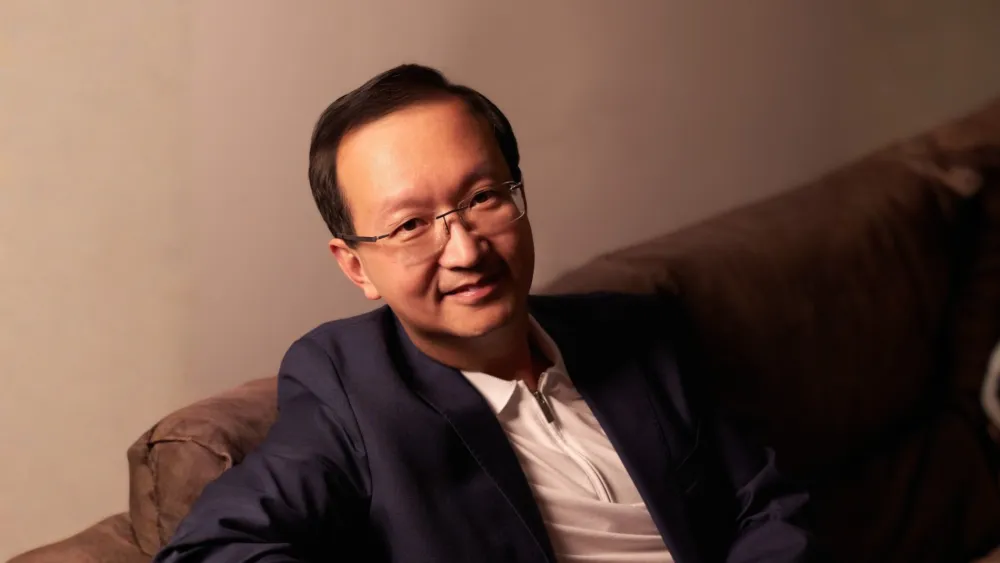
Jason Ong, Director at YCP, said some firms still rely on spreadsheets, documents, and multiple approval stages after introducing AI, which slows the benefit of faster automation.
“AI provides an answer near instantaneously, but that sits in an approval queue requiring several handoffs and sign-offs,” Ong said.
He added that many firms launch AI initiatives without defining the specific financial or operational metric the technology is expected to improve. Without a senior leader accountable for that outcome, projects can struggle to deliver measurable value.
Employee adoption is another constraint. Ong said AI tools need to fit naturally into existing workflows rather than require staff to use additional applications. Once an AI system has been properly tested and no longer requires routine human checks, companies should also remove tasks that no longer add value.
Routine data entry and verification can be reduced, whilst employees shift towards managing exceptions and asking the right questions. Some approval layers may also need to be eliminated to capture AI’s speed. Ong said companies should also change performance metrics, moving away from volume-based measures towards quality and innovation outcomes.
Repeated human overrides of AI decisions can indicate whether the technology or its deployment needs adjustment.
“A high override rate is diagnostic. Either the model is incorrect, or people don't yet trust it,” Ong said.
Companies should track those overrides, refine pilots where needed and clearly define which decisions AI can make independently and which still require human approval. Ong added that legacy key performance indicators can also undermine adoption if they continue rewarding old ways of working.
He will also speak at the Singapore Technology Enterprise Summit 2026 on 12 November.


























 Read Here
 Advertise
 Sign Up





Commentary
What matters for Singapore’s AI future is consistency, not brilliance
The AI pilot worked. Now comes the real test
Are Singapore startups’ employee incentive plans still competitive?
Singapore’s small exporters need credit that matches their payment cycle
The hidden realities of succession for next-gen heirs
In Asia, fintech leaders must compete on credibility
F1 on a gravel road: Why AI is still stuck in first gear
Why AI blocklists give Singapore firms a false sense of security
When scale arrives before proof: Singapore’s capital allocation question in Southeast Asia