AI shifting how wealth management solutions are built and delivered at scale
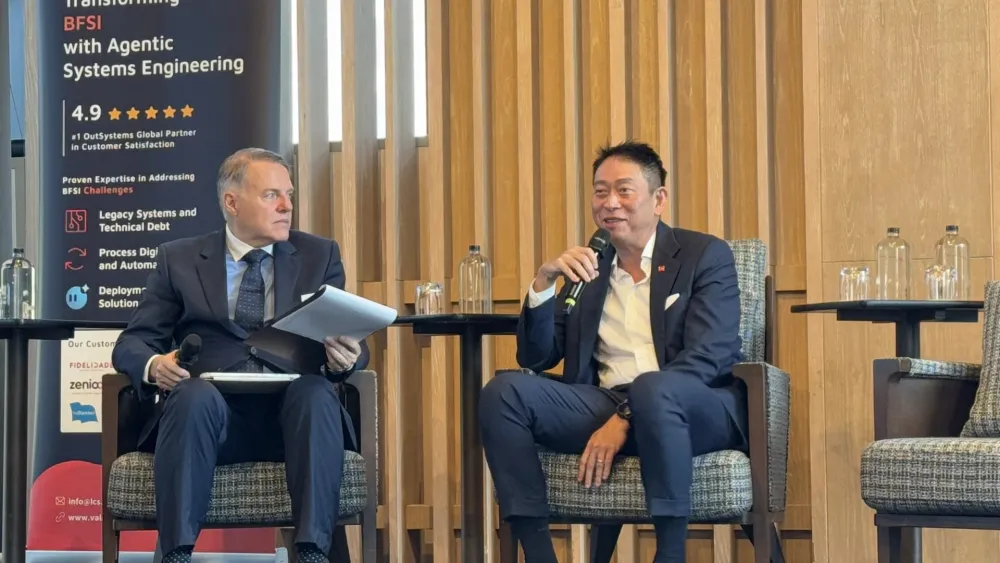
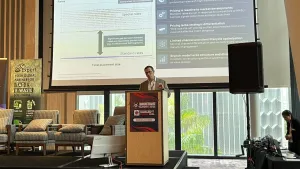
DBS aims to reduce investment insights preparation from hours to minutes using agentic AI.Artificial intelligence (AI) is changing wealth management economics by enabling advisers to serve more clients, not by replacing them, according to DBS Bank.The bank is using AI to automate time-consuming investment insights preparation to focus on building and delivering more personalised wealth solutions and recommendations at scale."We need to treat AI as the best personal assistant you'll ever have, and multiply that by 10," Wilfred Quek Siew Yih, managing director and group head of Wealth Management Solutions for Global Financial Markets at DBS Bank, said at the Asian Banking & Finance and Insurance Asia Summit held in Singapore on 1 July."It really removes your administrative frictions... so that you can concentrate on engaging and planning [with the] client from an emotional standpoint, whilst the AI does your portfolio analytics [and] looks at the client's profile,” he said.The shift represents a fundamental change in how wealth solutions providers operate. Instead of producing standardised portfolios for broad customer segments, AI enables advisers to tailor recommendations to individual clients."Gone were the days when you were coming up [with] a portfolio based on a generic segmentation view," Quek said. "Today, you can look into all these different aspects and deliver a very personal outcome for a client."Behind the scenes, DBS is deploying agentic AI to compress workflows that once took investment products teams several hours.Quek said his team previously spent mornings reviewing financial news, consolidating internal research, developing market views, generating trade ideas, pricing products and preparing presentation materials for clients—a process that "probably takes two, three hours easily across colleagues."The bank is now working to complete the same workflow in "10–15 minutes, including a maker-checker, human-in-loop process.""With that, you really can scale a business, and you can hyper-personalise," he said. Instead of producing a single market view once a day or once a week, we can now generate multiple personalised updates throughout the day, tailored to different clients and investment advisers, especially when markets are volatile.For DBS, the productivity gains are intended to expand employees’ capacity rather than reduce reliance on human expertise."The humans are here to stay," Quek said."AI is meant to enhance. Just imagine an adviser today who can talk to five clients because of the work they needed to do, versus tomorrow, where you can talk to 50 clients with the same granular attention you can give to your clients today."Even as AI takes on portfolio analytics and administrative work, Quek argued that human judgment remains central to wealth management."You wouldn't want AI to tell you everything you need to do and just execute a deal for you," he said. "End of the day, there's an element of emotional empathy, emotional intelligence."That philosophy also shapes DBS' approach to AI governance.Quek said the model will become increasingly important as banks compete for Asia's growing mass affluent segment, which he described as "one of the most underserved.""With that scale, you need AI to help you serve your clients," he said.Whilst digital capabilities continue to expand, Quek does not expect AI to eliminate the need for advisers or wealth centres.























 Read Here
 Advertise
 Sign Up