
Why every Singaporean is in need of a 'digital detox'
By Mark DixonThere's an emerging trend for the digital detox. Some upmarket travel agencies are promoting holiday destinations on the grounds there are no phone signals or wifi, and an upscale London department store has opened a Silence Room, where people leave phones (and shoes) at the door and cut off from city and retail life.
For many workers in Singapore, such wifi-free holidays or shopping trips would be torture. Far from seeing the need to switch off from work, they're determined to clock in.
According to a research by my company, 45% of business people in Singapore will work 1-3 hours a day during their vacation and 22% here will spend more than 3 hours a day working. Cut off from a phone signal, they would just worry about falling behind with work, rather than enjoy the chance to relax.
The high cost of long-hours working
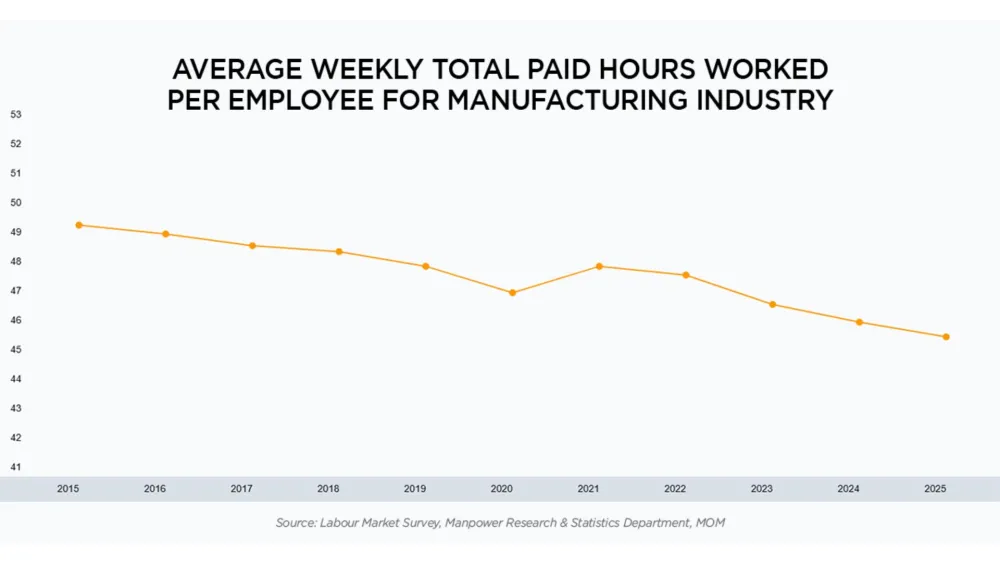
But all this staying on top of things is bad for people's health. Working more than 11 hours a day raises the risk of heart attack by 67% compared to people who work a more 'normal' 8 hours a day.
The increased risk is thought to arise because people working long hours are more likely to suffer from stress, raised cortisol levels, poor eating habits, and lack of exercise due to limited leisure time.
Very few people would be surprised by a link between long-hours working and health problems; it's just that too many people are stuck on the long-hours treadmill. The problem is exacerbated in Asia because of the 'face time' culture: if you can't leave before your boss, how do you control your own working hours or work-life balance?
The link between control and work-life balance seems to be borne out in the latest Work:life Balance Index released by my company, which shows that business owners enjoy better work-life balance than employees.
If they are putting in workaholic hours, they're doing it by choice and at hours that suit them. As a result their lifestyle may be less stressful than that of workers chained to the desk by their boss's disinclination to go home, or that of the harried professionals who spend their vacations answering work emails.
Letting people work their way
If choice can improve work-life balance, it's another argument in favour of flexible working. Worldwide, 63% of business people think that flexible working practices - such as giving some choice over places or timings of work - can reduce stress.
And 63% of businesses think that flexible working makes people more energised and motivated. So it's hardly surprising that flexible working practices feed through into higher productivity and lower staff turnover.
With more firms offering flexible working choices, at my company we are seeing more people around the world using our business centres to work closer to home, or to touch down between meetings instead of trekking back to the office. The more we extend our global network, the more convenience and time-saving we offer them.
How managers can help
Maximising the benefits of flexible working and better work-life balance may require some businesses to adapt their management cultures. First, rewards and promotions should be based on results, rather than presence.
If ambitious people feel that flexible working and remote working jeopardise their career prospects, they won't make use of them. They'll still feel they must always be visible to the boss.
Second, staff shouldn't have to be glued to their smartphone after hours or when they're on annual leave. Sure, emergencies happen and people need to be contacted outside working hours, but this should be the exception not the routine. A break's not a break if it's just work relocated to the poolside.
Third, technology and innovation should be used to enhance work-life balance rather than chain people to work. For example, my company introduced products like videoconferencing and Businessworld to reduce the time people lose to business travel and commuting.
Fourth, managers and owners should be role models for flexible working and taking breaks. We know 97% of employers in Asia Pacific offer annual leave as part of their benefits, but it's safe to guess that many people aren't taking their full quota.
The temptation not to take all one's leave may also increase as firms start to offer the option of buying or selling annual leave. Although only 10% of firms in Asia Pacific currently offer this, another 10% plan to do so in future.[1] A nice option, but it does raise the possibility of a 'holidays are for slackers' culture.
Doctors, researchers, families - they'll all back the assertion that everybody needs a break, especially in the age of 24/7 technology. Managers and owners should do all they can to make those breaks a reality.
Whether it's through leaving people in peace on holiday, or letting them cut their commuting by working closer to home, a more energised and motivated workforce is a more productive one.


























 Read Here
 Advertise
 Sign Up