
Fox Sports studies India’s mobile-first production
Mike Davies says broadcasters can learn from India’s streaming and centralised workflows.
India’s sports broadcasting sector is becoming a reference point for global media companies as they look for more scalable live production systems, mobile-first viewing formats, and interactive fan experiences.
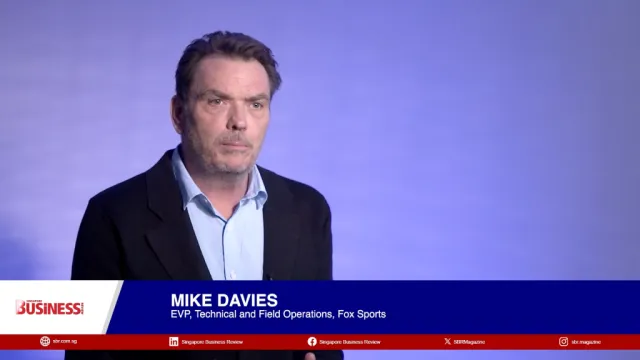
Speaking during an interview at the SVG India Summit in Mumbai, Mike Davies, Executive Vice President of Technical and Field Operations for FOX Sports, said India’s approach to mobile-first viewership, vertical video, and centralised production workflows is drawing attention from international broadcasters.
“I think one of the things that JioStar in India has right, and some of the things that we get to learn from while we're here, is your mobile-first viewership and the technology behind it,” Davies said.
He said India’s broadcasting model offers lessons for markets such as the U.S., where major sports programming is still built around tentpole events including postseason baseball, the Indy 500, and college finals.
“Fox Sports in the United States is built around championships,” Davies said. “But in order for those events to mean something, you need to be able to fill out the schedule with supporting events.”
Davies said this programming structure makes scalable and flexible production workflows increasingly important, particularly as broadcasters manage a wider mix of live events across different platforms.
One of the biggest shifts, he said, is the wider adoption of centralised and distributed production systems. Remote workflows are now embedded across nearly every live sports production environment at Fox Sports.
He outlined several production structures now used across live sports broadcasting. “Home run production” centralises producers and directors in one facility whilst receiving venue feeds remotely. “Production anywhere” allows certain production functions to operate off site or from individual homes. Hybrid models also combine central studios with additional venue cameras connected remotely.
He said broadcasters are no longer adopting these systems mainly to reduce costs. Instead, centralised operations are helping them manage multilingual streams, graphics layers, and customised audience experiences at scale.
Davies also pointed to India’s experimentation with 9:16 vertical feeds and integrated mobile interactivity as areas global broadcasters are studying closely.
“The fact that you can order food without leaving an application,” Davies said, “I think that kind of seamless experience is something we can very much learn from.”












 Read Here
 Advertise
 Sign Up





Commentary
What Singapore’s app store rules reveal about the future of online trust
Faster hiring alone will not fix construction’s productivity problem
Beyond policy: How Singapore's service sector can win at the frontline
Solving the production problem behind Singapore’s ‘pilot purgatory’
Transformation without disruption: Your Existing ERP is an accelerant to business innovation
From Singapore to Southeast Asia: Thriving in innovation by knowing when to pause
Section 13O, MAS, and the digital footprint of Singapore Family Offices
Could Singapore lead the world's next management revolution?
RIE2030’s real test: Turning innovation into impact
What Singapore logistics operators often overlook when electrifying fleets