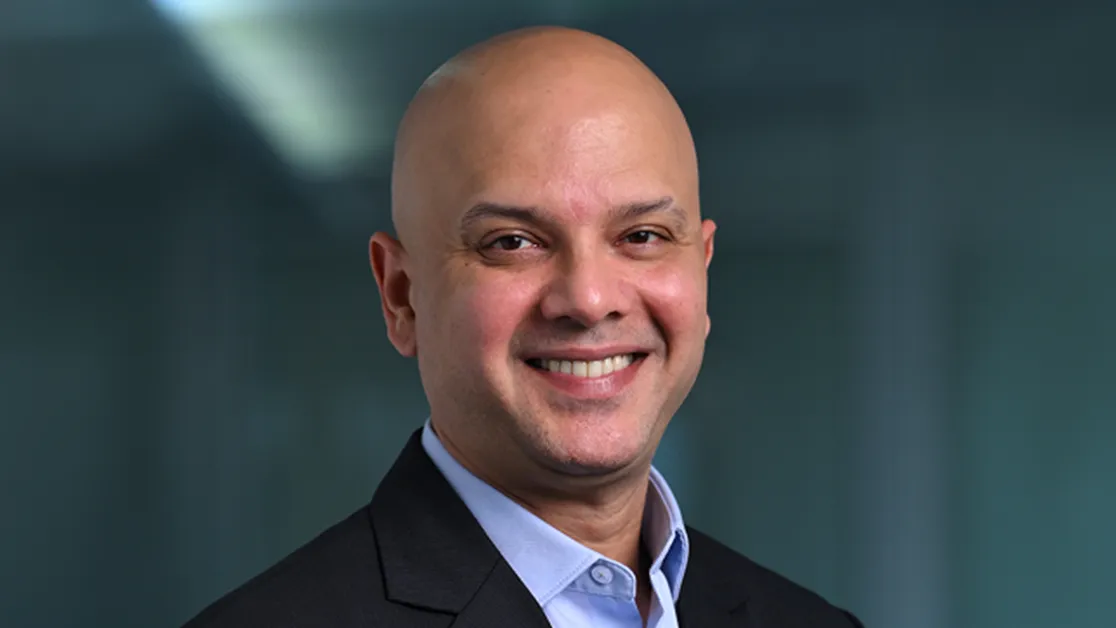
JioStar's live sports machine runs on zero margin for error
Fan experience, not cost, drives every operational decision.
JioStar's live sports production operation has no room for error, and that, according to its production chief, is what shapes every decision the company makes.
Prashant Khanna, Head of Sports and Live Experiences Production Services and Production Technology at JioStar, said that TATA IPL 2026 streamed to nearly 1.06 billion screens across 12-plus languages. Peak concurrencies on the platform have reached 72.5 million, a record set during the ICC Men's T20 World Cup Final.
"You have to get it right, and you have to make sure that it becomes a consumer-first experience when you are delivering so many languages, and so many formats," he said.
Production scope
JioStar produces vertical and horizontal feeds simultaneously, along with multiple language streams and inclusivity formats including a sign language feed and descriptive commentary.
Khanna said the operation must function as one cohesive unit. "When you're going out so diverse and far and wide, it's really important that you're able to make sure that the consumer experience is not compromised in any manner," he said. "That means making sure that it's working like an orchestra, and the sounds that you hear are music to your ears in every way possible."
On remote production, Khanna said fan experience leads over other considerations such as cost or flexibility. "It's fan-first," he said. "What's more important is how do we make sure that we entertain and delight fans consistently, and everything else in that process, whether it's cost, flexibility, or other elements, follow from there on."
Technology testing
Khanna said new technologies, including AR, VR, and camera enhancements, must be stress-tested before going live, with the primary criterion being whether they improve the fan experience.
"In the case of live sports, you don't have the flexibility of going back and fixing anything," he said. "If the technology actually passes the muster of making sure that it is elevating the fan experience, then that becomes our holy grail as a first point of entry into the platform."
He described the adoption process as iterative. "Something that you try today for a few games might not work for the next few, so we continue to make sure that we are evolving in that journey on an ongoing basis."
Five-year outlook
On where live sports production is headed, Khanna pointed to personalisation as the defining shift. "How you consume the same match versus how I consume the same match is very different," he said. "We want to make sure that we're customising for each individual, having the ability to have the same output but a million different experiences."
He said the pace of change makes longer-term forecasting difficult. "Technology is moving very, very fast now," he said. "The world we live in today can be very different in a couple of months from now."
International collaboration
Khanna said JioStar works closely with international partners including Fox, ESPN, and Sky, exchanging learnings on technology and workflow.
"All of us are largely in the sports business, solving similar problems in our own respective silos," he said. "This actually allows us to have a lot of exchange on our learnings...and that allows us to actually pivot a lot faster than we would traditionally have been able to do if we were working in our own specific environment."

























 Read Here
 Advertise
 Sign Up