Insurers chase AI gains as workers fear job losses
Ninety-two million jobs may be displaced by AI by 2030.
Trust is becoming a balance-sheet issue for insurers betting on artificial intelligence, as companies race to automate underwriting, claims and customer service whilst trying to keep employees, customers and regulators onside.
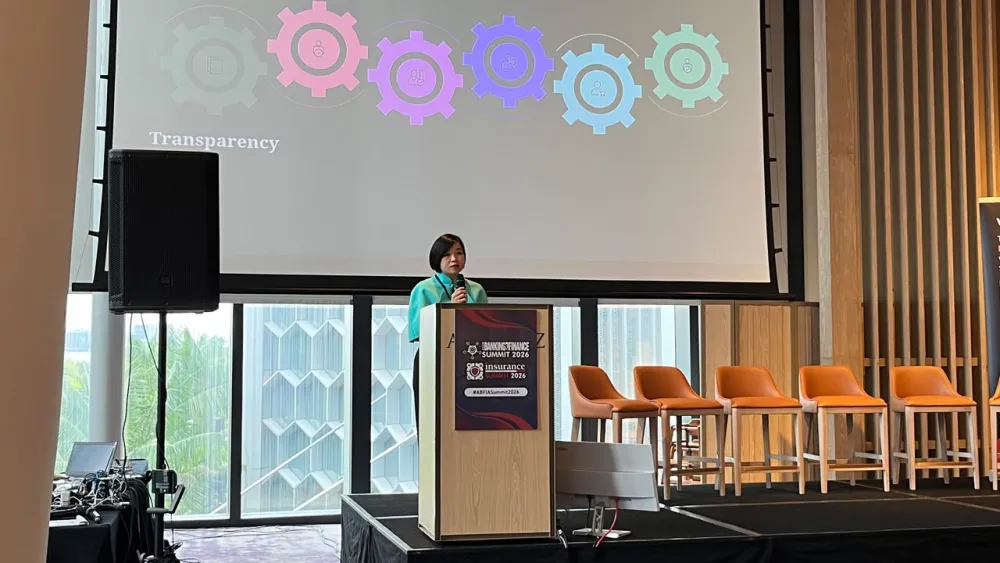
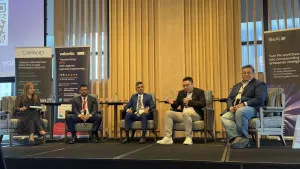
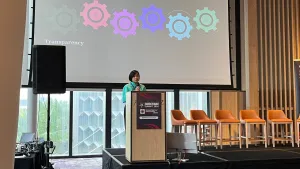
“AI creates value, but trust unlocks it, and trust is not what we say, it’s what the stakeholders believe,” Ker Ching Chock, Chief Financial Officer, MSIG Singapore, told attendees of the Asian Banking & Finance and Insurance Asia Summit in Singapore on 1 July.
She cited the World Economic Forum’s Future of Jobs Report, which estimates that whilst 92 million jobs may be displaced by 2030, 170 million new jobs could be created, producing a net gain of 78 million jobs.
For Ker Ching, the issue is not whether jobs disappear, but “how are we helping people transit into the job that AI is creating,"
She said insurers should treat “trust capital” as a strategic asset, alongside financial, human and digital capital.
AI adoption is no longer limited by software capability alone. It also depends on whether staff accept new tools, customers believe automated decisions are fair, and regulators are satisfied that governance is strong enough, Ker Ching said.
“Customer needs confidence in the AI-enabled decisions, employee needs confidence in the AI-enabled way of working, and regulators need confidence that the innovation is deployed responsibly."
Ker Ching said the biggest barrier often starts inside the company.
“Perhaps one of the greatest barriers to AI adoption is not technology, it is the uncertainty,” she said.
Employees are asking whether AI will replace them, whether their experience remains relevant, and whether there will still be a place for them in the future.
“These are all genuine concerns. As a leader, we should not dismiss it. We should acknowledge and address it," Ker Ching said.
From a previous experience, Ker Ching said an employee in accounts payable who had spent years processing invoices was moved into finance analysis after automation reduced manual work.
The company trained her in accounting principles, reporting and analysis.
“AI is not supposed to change or replace human potential. It should unlock it,” Ker Ching said. “Task technology may replace the task, but it should never replace the purpose,"
Ker Ching said trust capital is built across six areas: transparency, accountability, consistency, human oversight, customer interest and employee confidence.
The payoff, Ker Ching said, is what she calls the “trust dividend," If stakeholders trust AI, adoption accelerates, innovation scales faster, employees engage more confidently and customers are more willing to use new solutions.
For insurers, the question is shifting from how much AI can be deployed to whether each deployment strengthens or weakens confidence.
“The more important question is, How do we deploy AI in a way that strengthens the trust in every single interactions, every outcome, and every decision?” Ker Ching said.















 Read Here
 Advertise
 Sign Up