2014 home sales could go as low as 12,000 units: Barclays
If Singapore's cooling policies stay in place.
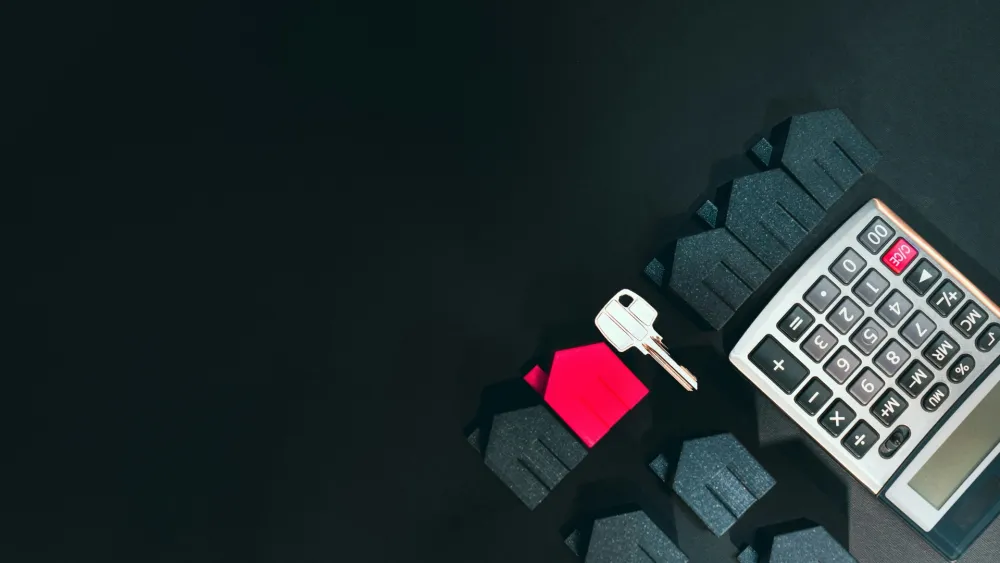
Singapore's home sales closed the year in a disappointing note, tumbling 80% m/m to just 259 units in December, the lowest since Jan 2009. This brought the 2013 total home sales to 14,980 developer units sold, or down 33% from 2012's record 22,197 units.
Barclays Research forecasts an even dimmer 2014 if cooling polices aren't rolled back.
"Barring any rollback in policies, we now expect 2014 volumes to fall 20% y/y to 12,000 units, as the TDSR rules in place since June 2013 continue to bite, and as buyers become more cautious on the abundant supply pipeline," said Barclays Research.
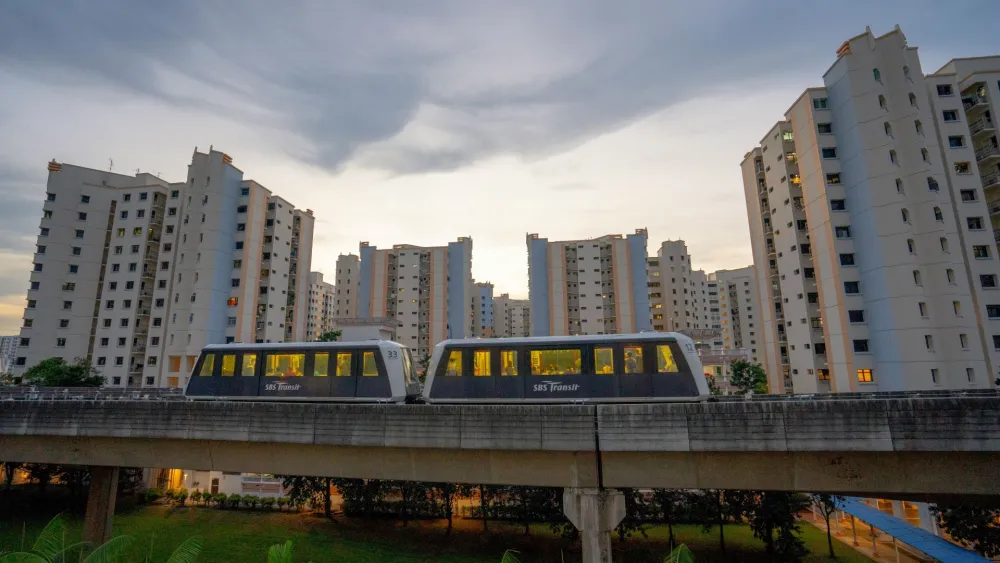
"We maintain our negative stance on the Singapore residential sector, as we expect prices to fall 5% in 2014 and another 5-15% in 2015 as interest rates rise, and the vacancy rate could reach an unprecedented 9.9% by 2016," it added.
The research firm has said previously that it does not expect a rollback of cooling policies anytime soon, "as home prices are still 61% above their 2009 levels, and GDP, employment and interest rates still appear favourable."





















 Read Here
 Advertise
 Sign Up