Singapore malls could face retail apocalypse like US counterparts
But food and beverage stores are taking up more mall space.
As e-commerce grows in Singapore and in Southeast Asia, investors fear their malls could follow a downfall like with the US, thinktank Urban Land Institute (ULI) and PwC revealed.
In their "Emerging Trends in Real Estate Asia Pacific 2018" report, the projected compounded total return of Singapore's suburban and prime retail assets for 2017 to 2022 played around 5%. This is lower than Sydney's 8% and Kuala Lumpur's 7.5%, some of the highest in the Asia Pacific region.
Moreover, the share of internet retailing in Singapore was also seen to rise to 9% of total retail value in 2021.
However, several takes revealed polarising opinions on retail property in the region.
The report said Singapore's poor market performance could be more of a reflection of lower inbound tourism compared to a marked shift to e-commerce.
The country's retail industry remains immature.
"There are inefficiencies in the way Asian malls are built and operated that create potential for savvier operators to differentiate their own products," the report said. "Offerings tend to be fresher. Beyond that, many big facilities are being reinvented in an effort to protect themselves from e-commerce challenges."
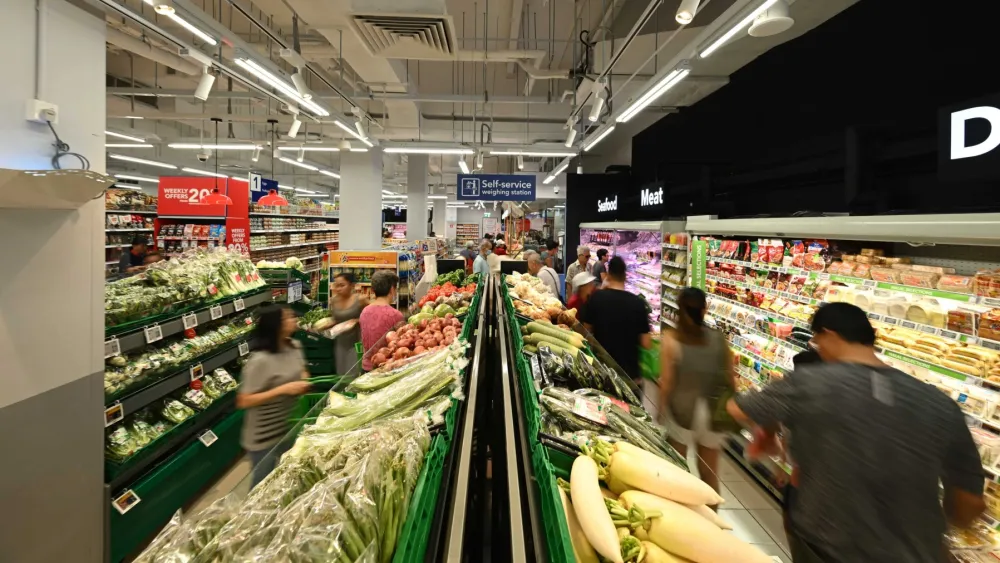
The report cited a fund manager that renovated their mall in Singapore. They boosted food and beverage, which is "pretty immune" to e-commerce to have 20-30% of floor space.
"That’s what you want to have—services that people can’t get online,” the unnamed fund manager said.
Whilst these types of tenants generally pay lower rents than fashion outlets, ULI and PwC said these seem to hit the bottom line that's acceptable to most landlords.
























 Read Here
 Advertise
 Sign Up