Hormuz-linked crisis could surpass 1970s oil shock, stagflation looms
Additional support could be provided if conditions worsen, says PM Wong.
The current global crisis could be more severe than the 1970s oil shock, raising the risk of stagflation — a combination of stagnation and inflation — according to Prime Minister Lawrence Wong.
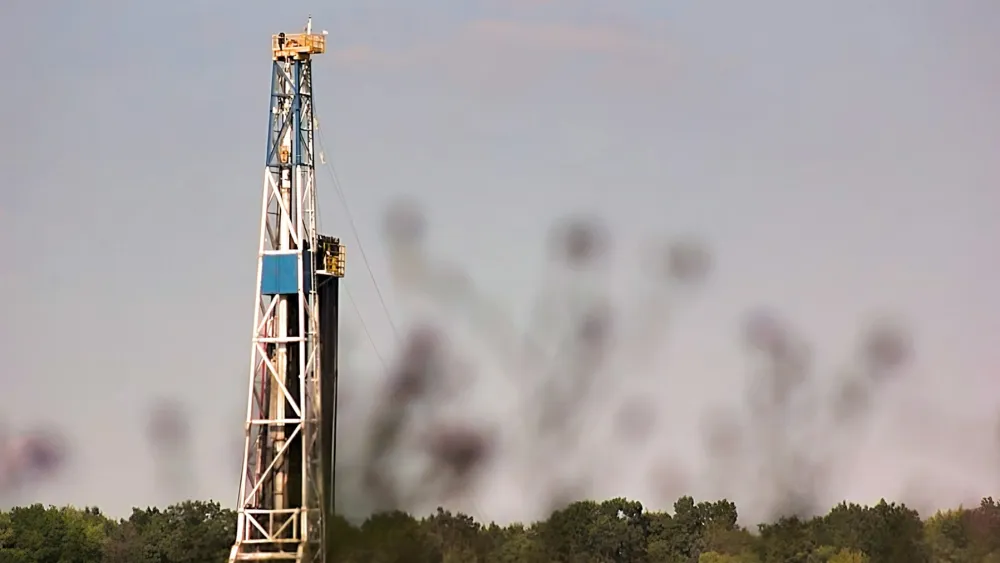
Even if the Strait of Hormuz reopens after being closed for over two months, conditions will not immediately return to normal due to damage to ports and energy infrastructure, Wong said at the May Day Rally 2026.
Wong said further assistance could be introduced if conditions worsen. “If that happens, we will do more to help.”
The government rolled out an initial support package last month, including measures to help businesses most affected by higher energy prices, as well as U-Save rebates, enhanced cash payouts, and earlier CDC vouchers.
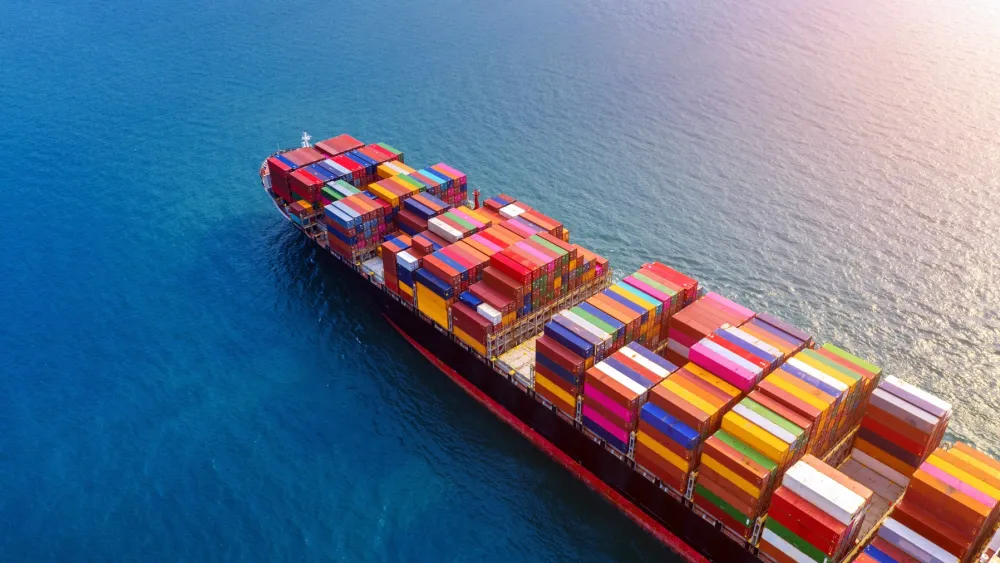
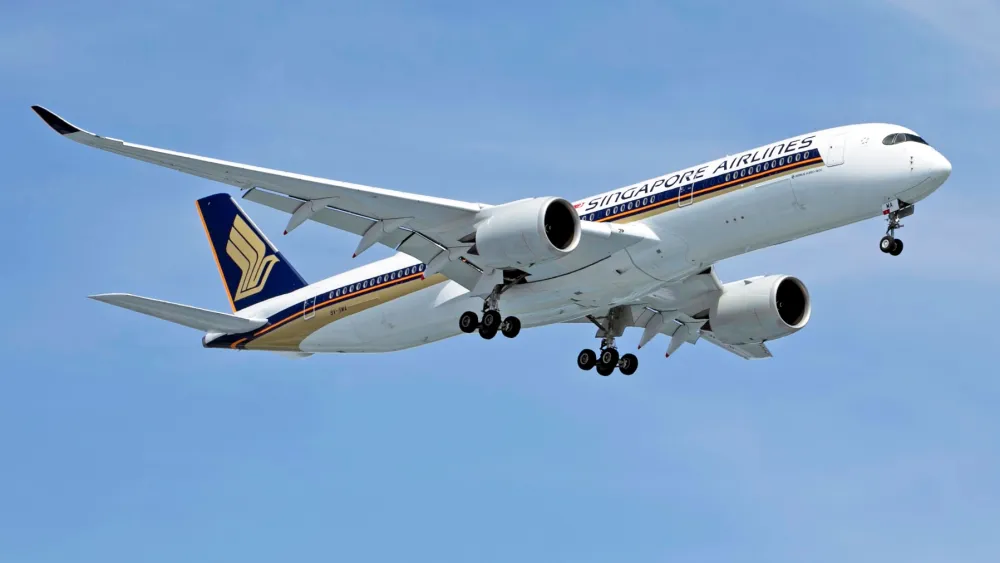
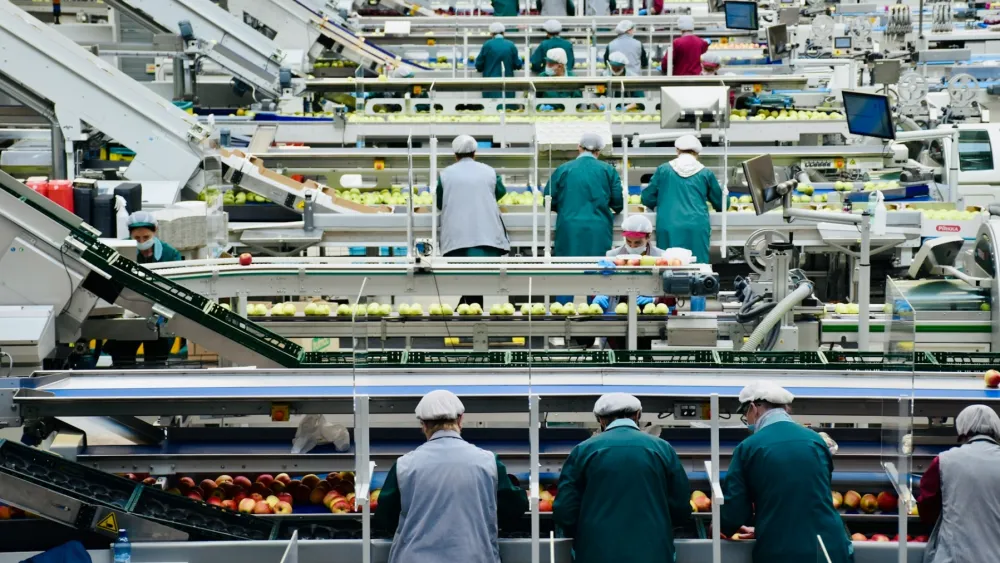
Disruptions are already affecting the real economy, with airlines cutting flights, factories reporting delays, and supply constraints expected to extend to fertiliser, food, and other essential inputs.
Global inflation is likely to rise further and could spread from energy to other sectors, with some economies at risk of slipping into recession.
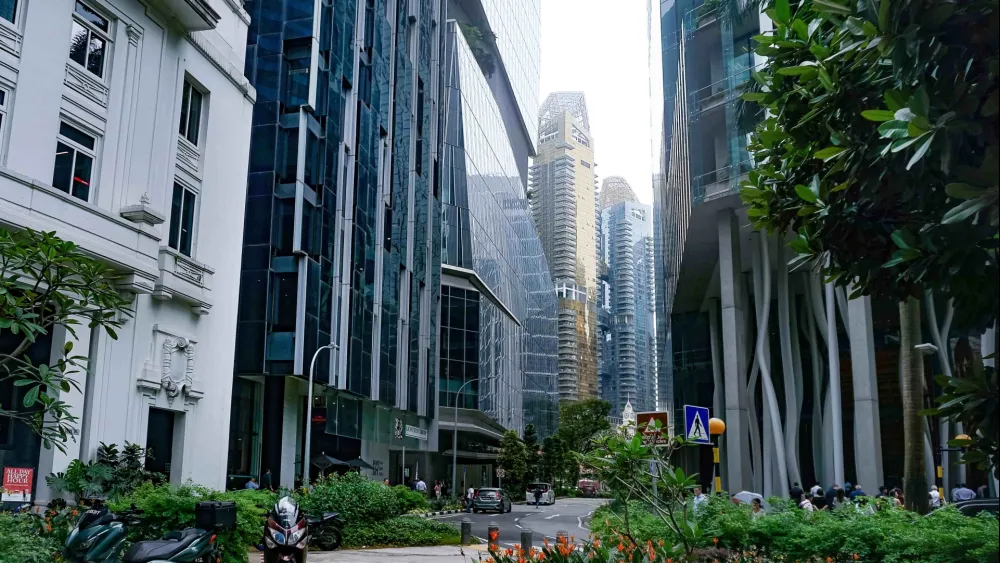
Singapore is expected to feel the impact directly, with growth slowing and inflation increasing, Wong said.
”All this will put real pressure on businesses, workers and households,” he added.


















 Read Here
 Advertise
 Sign Up