
Singapore leads on robot density but returns and talent lag behind
Just over 40% of firms realise value from robotics as deployment outpaces orchestration and skilled talent in Singapore.
Singapore’s robotics lead is raising a harder question for manufacturers: whether high robot density can translate into productivity gains as automation becomes more complex.
The city-state has 818 robots per 10,000 manufacturing workers, but Rahul Nambiar, CEO and Co-Founder of Botsync, said the next challenge is no longer just adding more machines. “What now matters a lot more is how the orchestration and cohesiveness of these different robots start making a bigger difference for customers as they expand automation even further,” he said.
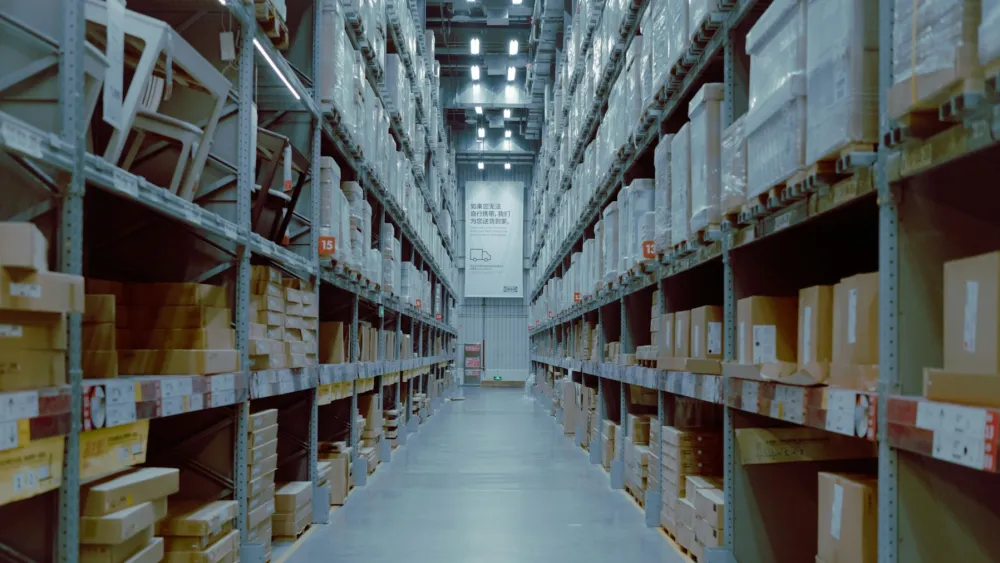
Nambiar said pressure points appear when companies deploy more robots across factories or warehouses, especially when machines from different vendors operate in the same site. Edge cases that can be handled manually in lower-automation environments can disrupt operations when robot density rises.
“If they are not handled very well, they start creating a system that does not really scale any further,” he said.
Marcelo Tarkieltaub, Regional Vice President for Southeast Asia at Rockwell Automation, said manufacturers also face uncertainty over how to deploy robotics, artificial intelligence and other technologies in ways that create value. From a management view, the challenge is “how to deploy all those new technologies that we have emerging in a consistent way to make them effective,” he said.
Talent is another constraint. Tarkieltaub said Singapore’s limited space and manpower make automation important, but more advanced operations need skilled workers who can run complex applications.
Both executives said robot density alone is no longer the best measure of progress. Nambiar said manufacturers should track utilisation, because robots that are not fully used deliver limited value. Tarkieltaub said successful companies are combining robotics with information technology, operational technology and artificial intelligence.
Rockwell Automation’s State of Manufacturing Report showed just over 40% of companies are able to realise benefits from these investments. For Singapore, the test is whether manufacturers can turn automation leadership into measurable gains.























 Read Here
 Advertise
 Sign Up






Commentary
Why Singapore SMEs cannot wait for quantum cyber risk to arrive before securing data
Is Singapore's emphasis on long-term security and stability hindering purpose-driven employees?
When Singapore's agentic AI ‘chefs’ arrive, will the kitchen be ready for them?
What Singapore’s app store rules reveal about the future of online trust
Faster hiring alone will not fix construction’s productivity problem
Beyond policy: How Singapore's service sector can win at the frontline
Solving the production problem behind Singapore’s ‘pilot purgatory’
Transformation without disruption: Your Existing ERP is an accelerant to business innovation
From Singapore to Southeast Asia: Thriving in innovation by knowing when to pause
Section 13O, MAS, and the digital footprint of Singapore Family Offices