Singapore risks export slump in H2 as front-loading effects fade
Front-loading activity could lead to a slowdown in the months ahead, the report stated.
Singapore’s strong export performance in the first half of 2025 may come at a cost. Economists at UOB are warning of a potential “payback” in the second half of the year as the benefits of front-loaded shipments fade and new US tariffs threaten to dampen global demand.
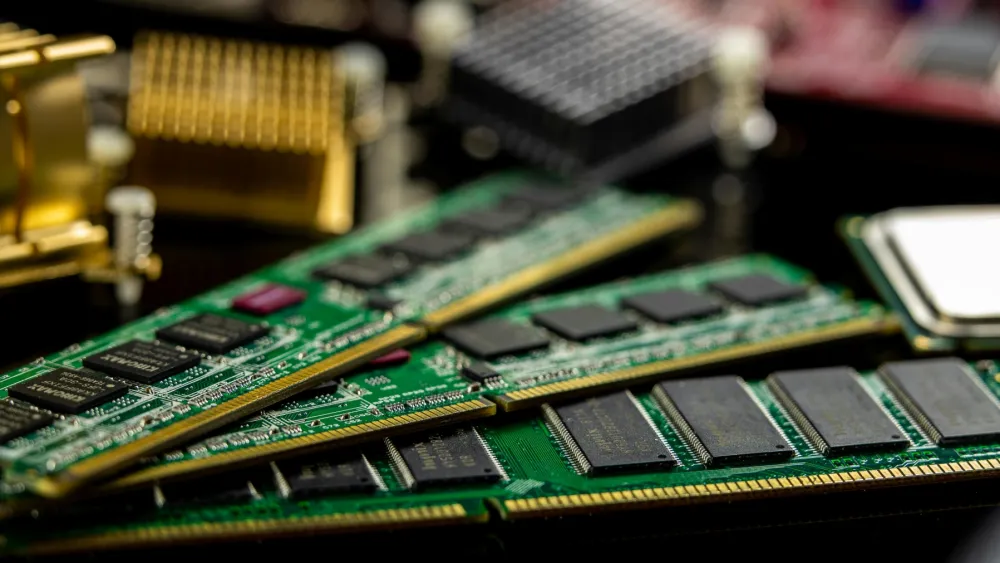
Whilst electronics exports have driven much of the recent momentum, front-loading activity—where exporters rushed to ship goods ahead of expected trade disruptions—could lead to a slowdown in the months ahead.
The impact, according to UOB, is likely to be felt more in trade-related services such as wholesale trade, transport, and storage, rather than in manufacturing.
The warning comes even as Singapore’s non-oil domestic exports (NODX) jumped 13% YoY in June, well above analysts’ expectations. Much of the increase was driven by a surge in non-monetary gold exports (+211.9%), which contributed $1.3b of the total $1.77b rise. Electronics exports also rose 8%, boosted by favorable base effects.
Despite these gains, UOB noted reciprocal US tariffs could weigh on export demand globally, including for Singapore.
Front-loading appears to have been concentrated in electronics exports—both NODX and NORX—whilst non-electronics sectors and manufacturing saw less activity. This uneven buildup could leave certain sectors more exposed as demand normalises.
Export resilience to East Asian markets remains a bright spot, with shipments to Taiwan and South Korea rising 28.3% and 33% respectively, helped by structural demand tied to AI and tech supply chains. However, exports to the US remain in contraction, slipping 4.8% in June.
UOB is maintaining its full-year 2025 NODX growth forecast at 1-3%, though it cautioned confidence in the outlook has weakened due to ongoing tariff uncertainty.















 Read Here
 Advertise
 Sign Up