Robojudge: Singapore to use AI in courtrooms for small claims
The tech needs safeguards to catch system hallucinations.
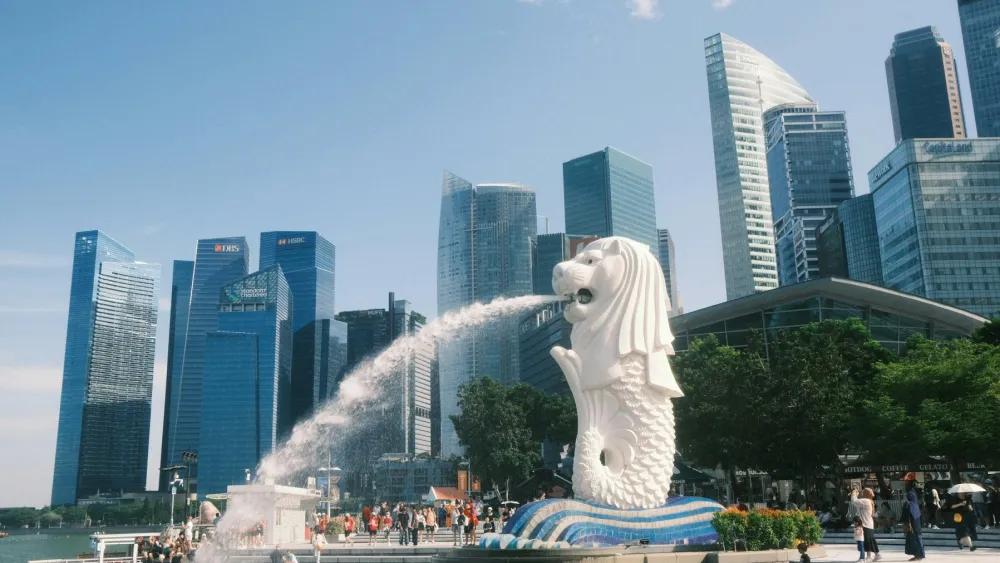
Singapore is introducing an artificial intelligence (AI)-powered tool for its Small Claims Tribunals (SCT) to summarise case documents for magistrates and improve access for self-represented litigants, a move aimed at easing caseload pressures and raising efficiency in lower courts.
Whilst the system promises faster case handling, analysts cited the need for careful oversight as judicial processes adopt automation.
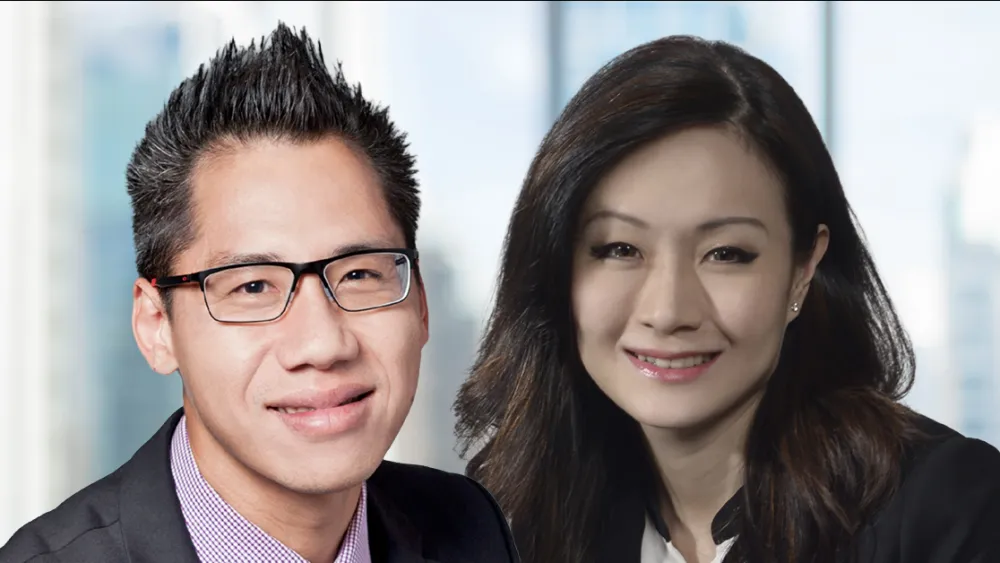
Rakesh Kirpalani, chief technology officer at Drew & Napier LLC, said the technology should be deployed with safeguards because generative AI could produce inaccuracies.
“As with any AI tool, the output of the SCT tool may contain hallucinations that may create false summaries, or cause facts to be falsely created, altered or omitted,” he told Singapore Business Review.
Built on Harvey AI, the system is designed to process evidence from informal communication channels such as WhatsApp, Telegram, and Slack—materials magistrates would otherwise review manually.
The rollout will be phased: tribunal magistrates will gain access first, whilst self-represented litigants are expected to begin using the tool from November 2025. Authorities said the tool has been thoroughly tested and includes safeguards to keep case information confidential.
The system could help judges “focus their efforts on addressing more complex aspects of a dispute that require legal reasoning and decision-making,” Kirpalani said in an emailed reply to questions.
The tool also helps people and businesses spot key facts and arguments that they might otherwise miss because they may not fully understand legal nuances, their rights, or the evidence in a dispute.
He added that users will get clear warnings that the tool may produce errors and that they are still responsible for any summary they use.
Leong Si Ngah, engineering, AI, and data partner at Deloitte Singapore, said responsible deployment is critical as judicial and legal systems adopt automation.
“Responsible and trustworthy AI, delivered through strong safety and security guardrails, will be fundamental to scaling it with confidence,” she said in an email. Such measures, she added, support innovation whilst preserving credibility and trust.
Singapore is also rolling out LawNet 4.0, an upgrade that integrates a GPT-based legal Q&A model to support legal research. Trained on Singapore judgments, legislation, and legal texts, the system lets lawyers and in-house counsel run text-based queries on contract-law issues.
Kirpalani said the model could cut the time spent comparing legal resources and let users check citations themselves. But he warned that relying on AI without reviewing its output could put practitioners at professional or contractual risk. Users should still verify citations and explanations, he said, because lawyers are responsible for the work they submit.
The introduction of the SCT tool and LawNet 4.0, he said, demonstrates how Singapore aims to integrate emerging technologies “in a safe and meaningful manner, whilst putting in place safeguards to prevent misuse or over-reliance.”
He said the rollout of the SCT tool and LawNet 4.0 shows Singapore is adopting emerging tech carefully, with safeguards to avoid misuse or over-reliance.












 Read Here
 Advertise
 Sign Up