Local fintech startups can’t dodge regulation for long, says MAS
Supervision should be expected.
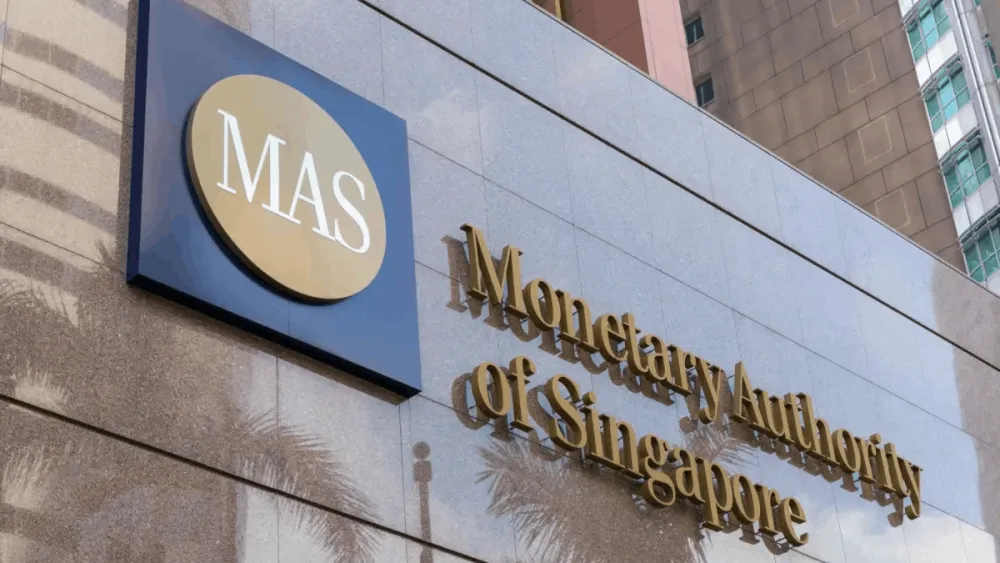
Financial technology (fintech) startups cannot go under the government radar for long, the Monetary Authority of Singapore (MAS) said.
Speaking at the Singapore Fintech Festival in New York, deputy prime minister and minister in charge of MAS Tharman Shanmugaratnam said that fintech startups must be regulated once they achieve meaningful scale in their business.
“We cannot not stifle innovation. We must let people come up with new ideas, and let them run with
it. But once they acquire meaningful scale in the financial sector, they should expect regulation,” he said.
“We have to allow for innovation. But any player that acquires a meaningful scale in finance should expect to be regulated like any other financial institution in their business. There must be a level playing field, and there are to begin with good reasons for why regulations exist,” he noted.
Tharman also highlighted that Singapore aims to be a leader in financial innovation across the globe.
“We are going to put grants to work - grants for any financial innovation in Singapore - on a competitive basis. Very importantly, we are going to develop the skills and capabilities required to make this a new wave, not just a passing trend,” he said.






















 Read Here
 Advertise
 Sign Up