
M1-SIMBA collapse tests telco investment
Saifee says intense price competition could make it harder for Singapore telcos to fund 5G cyber and network upgrades.
Singapore’s four-player telco market is raising fresh questions over whether operators can fund 5G, cyber, AI and network resilience investments after the S$1.4b M1-SIMBA deal collapsed.
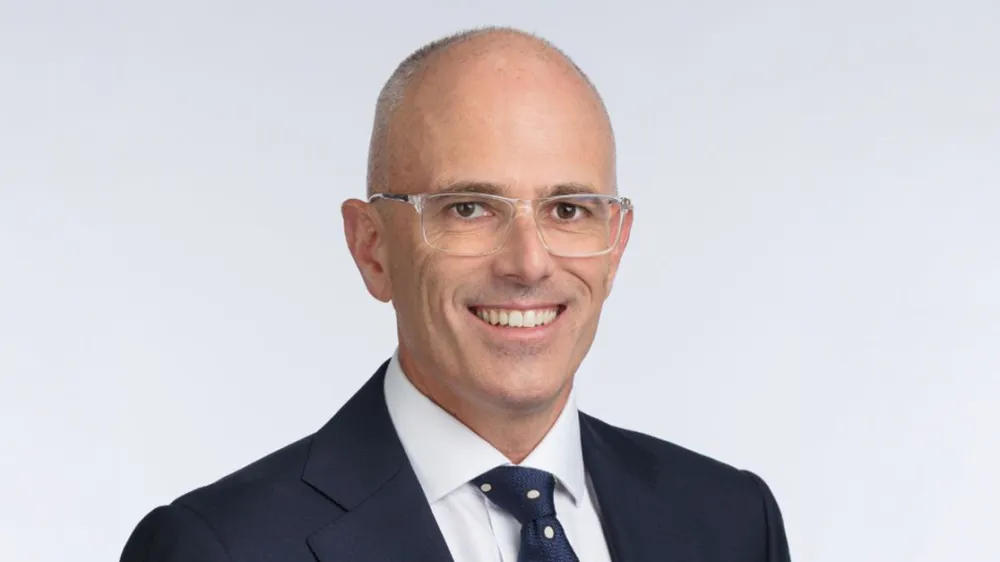
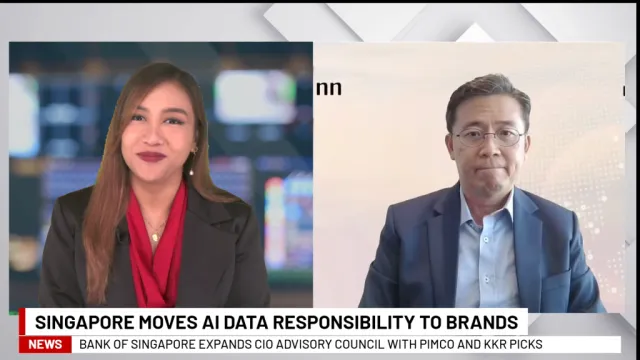
In an interview with Hussaini Saifee, Head of ASEAN TMT and Equity Research Analyst at Maybank Securities, he said consolidation remains difficult, leaving telcos to fund heavy technology spending in a market marked by intense price competition.
“Given the hyper competition in the market, the ROIC of the telcos has gone down significantly,” he said. That makes the next wave of investments harder for smaller operators, even as cyber resilience and future-proofing for technologies such as 6G remain necessary.
The pressure is uneven across the market. Singtel is better placed because of its balance sheet, overseas associates, Australia operations and large enterprise services business. StarHub has some support from enterprise services but remains more exposed to consumer competition than Singtel. M1 and SIMBA face heavier pressure if mobile pricing stays weak, with SIMBA especially dependent on consumers.
Enterprise services may provide another path to scale, but only for operators with enough diversification. Saifee said Singtel’s AI and data centre investments are backed by its broader balance sheet and are not simply a response to weaker consumer mobile demand. StarHub has also put more focus on enterprise services, whilst smaller consumer-heavy players have fewer options.
Low mobile pricing is central to the funding problem. “If you can get a monthly plan for S$8 to S$10, which is as good as the cost of a one-time meal, that kind of underscores the level of price decline which has happened in Singapore,” Hussaini said. If pricing remains this low, he said telcos’ margins and free cash flow could stay under pressure, limiting their ability to invest.
Infrastructure sharing is already happening, including StarHub and M1’s joint 5G access rollout and shared physical infrastructure. But Hussaini said it cannot replace consolidation. “I don't think that network sharing alone can offset the need for consolidation and help to improve the margins of the telcos,” he said.
For Saifee, operators with stronger balance sheets and cash flows will be best placed to fund cyber, network resilience and future network upgrades.



















 Read Here
 Advertise
 Sign Up






Commentary
Where does value creation really happen?
Managing the cost of diverging standards: Why Singapore matters
Singapore’s AI ambition has an intelligence problem
Singapore is deploying AI at speed – and security risks are catching up
Precious metal boom is a stress test for Singapore’s gold ambitions
Singapore’s global dispute fault lines
‘Tokenmaxxing’ – The wrong AI race to run in Singapore
To outsmart modern fraud, we must first know the enemy