6 in 10 Singaporeans prefer hybrid working arrangement
About 40% of existing employees have already requested a flexible schedule.
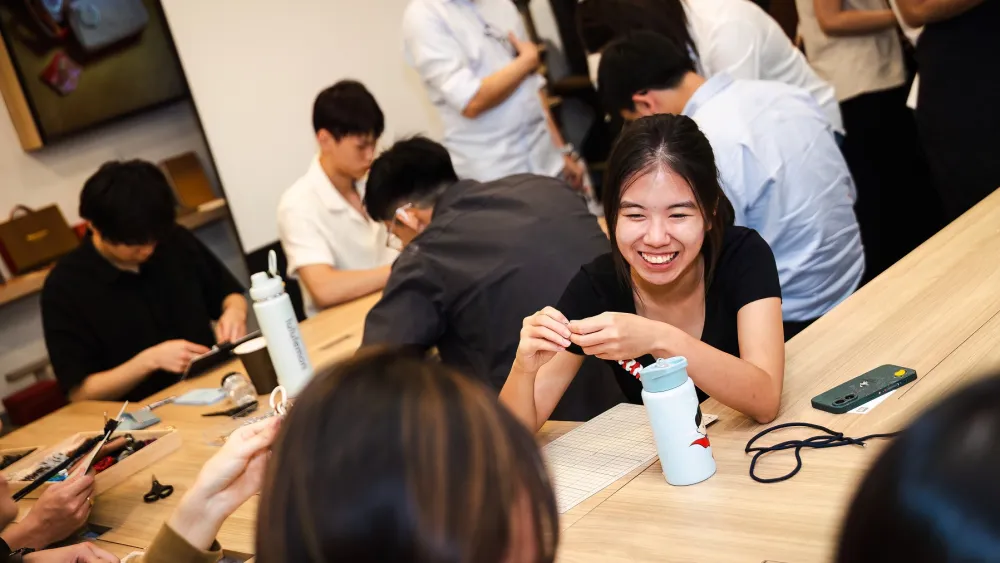
Close to six in 10 (59%) of Singapore’s professionals prefer a flexible working arrangement than working from home or the office full time, research by LinkedIn showed.
Research data showed that only 21% and 20% of employees would prefer to work full time in their homes, and in an office, respectively.
Both employees (81%) and business leaders (76%) recognize the importance of working both from the office and their homes.
Based on the research, business leaders believe that a hybrid setup will not only enable more diverse talent (74%) but will also allow more people to overcome geographic or systemic barriers to participate in the workforce (56%).
Employees, for their part, cited the need for face-to-face interaction with their boss and senior team members, with 49% saying the lack of it directly slowed down their career growth.
This was also underscored by 37% of business leaders, with 37% saying that the lack of face-to-face interaction among workers has posed a challenge in building team morale.
From the surveyed employees, about 40% have already requested a flexible schedule. More than half (56%) of the business leaders, on the other hand, said prospective applicants are actively discussing flexible working policies before they even decide to join.
The preferred schedule of 2 in 5 employees (37%) is three days at the office and two days of remote work, while half of the business leaders favour three to four days at the office and one to two days at home.
Meanwhile, about 71% of business leaders said they have introduced training courses to facilitate employee collaboration and productivity in a flexible working environment.
























 Read Here
 Advertise
 Sign Up