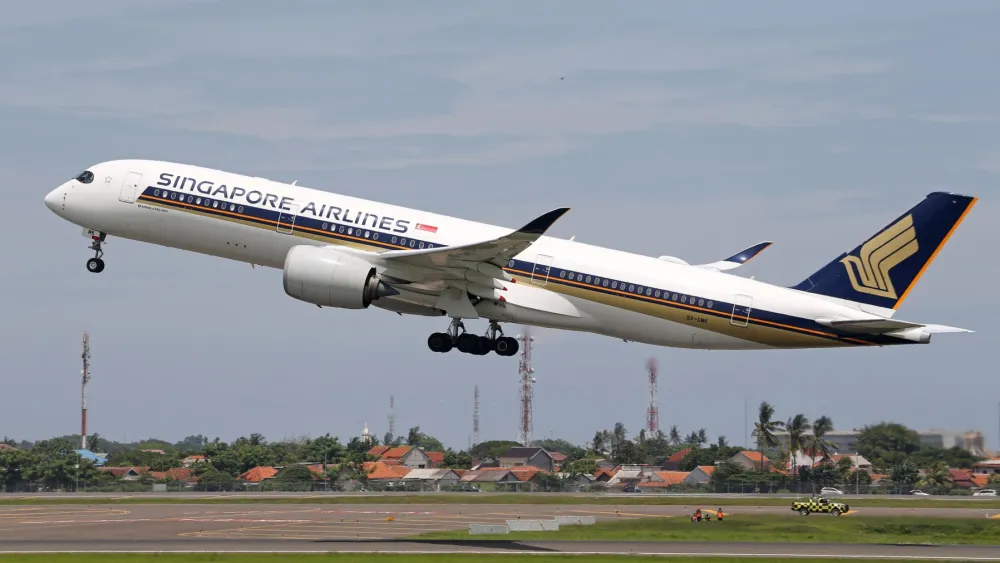
Overcapacity woes plague SIA’s profit prospects even as oil prices slide
Find out why SIA won't benefit from the price crash.
The national carrier does not stand to benefit much from the protracted slide in oil prices. According to OCBC, overcapacity woes will only intensify in the coming year, potentially nullifying any upsides that SIA might get from low oil prices.
OCBC notes that almost 8,000 new planes will join the fleets of carriers in the region by 2033, which will only exacerbate airlines’ compressed margins.
Southeast Asia has been particularly hard-hit by regional overcapacity. Low cost carriers (LCC) now accoutn for 60% of traffic in the region, and aircraft deliveries to the region is only expected to peak in 2015.
"The result of overcapacity is aggressive pricing of tickets leading to falling yields. With overcapacity and intense competition expected to continue in 2015, we believe yields will continue to be depressed. As airlines have limited control over load factors, the falling yields will likely negatively impact profitability in 2015," noted OCBC.
Tigerair has been particularly hit by regional LCC overcapacity, and the struggling airline will continue to be a drag on SIA’s profitability.
Apart from intensifying overcapacity, SIA will be unable to cash in on the oil price plunge because the group hedges 20% to 60% of its fuel needs for up to 24 months.
“SIA consumes on average about 30m barrels of jet fuel per year and as at end Sep-14, we estimate that it had already hedged ~35% for its 2015 needs. While we do think the lower energy prices will help SIA, the impact will be negated by depressed yields and hedging in place. Meanwhile, we think the effects of the recent slide in oil prices will be more visible from early 2016 onwards for SIA. For Tigerair, we also do not see the falling oil prices as a huge catalyst mainly due to its depressed yield,” noted OCBC.






















 Read Here
 Advertise
 Sign Up