SIA’s profit nosedived 43.4% in Q2 after TigerAir crashed into the red
But a reprieve is on the way as oil prices plunge.
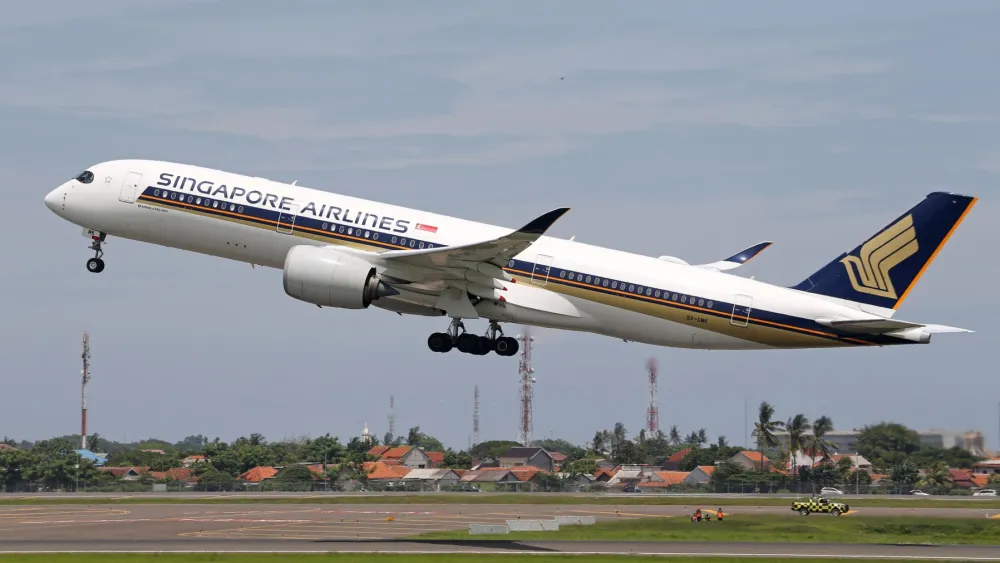
Singapore Airlines’ wings were further clipped by its bleeding subsidiary in Q2. SIA’s otherwise strong performance was dented by huge losses from TigerAir, causing the group’s Q2 net income to crash 43.4% year on year to $90.9m.
SIA’s 2QFY15 revenue was almost flat year-on-year at $3.9b. 1HFY15 group revenue declined 2.0% year-on-year to $7.6b, mainly due to lower aircraft lease income as leases to Royal Brunei Airlines expired.
In spite of Tigerair’s massive losses, SIA reported improved operating statistics in Q2. Though its operating environment remains challenging, the flag carrier revealed that the decline in passenger yields is getting marginally smaller, at 0.9% year-on-year.
SIA also noted that load factors improved across major units as it kept capacity expansion in check.
According to Maybank Kim Eng, regional overcapacity should continue to weigh on SIA’s topline, but the airline might get some reprieve from the 21% year-to-date plunge in jet fuel prices. Fuel forms 38% of SIA’s operating expenditures.
“SIA has yet to benefit from cheaper fuel in this set of results but we expect huge benefits in the coming quarters. We also see a prospective 39% return from a long-SIA, short-SIAEC trade. This trade is premised on: 1) improved aircraft reliability, which is hurting its engineering arm but allows SIA to save on maintenance, at 4% of its opex; and 2) airlines’ capacity cuts in response to the regional surplus. This should arrest slides in airline yields but translate into a smaller workload for SIAEC,” noted Maybank Kim Eng.
Tigerair, of which SIA holds a 40% equity stake, had previously reported losses totalling to $182.4m.

























 Read Here
 Advertise
 Sign Up