Key exports rise 38.4% in May on AI-led electronics demand
Re-exports to Taiwan, Thailand, and Hong Kong increased.
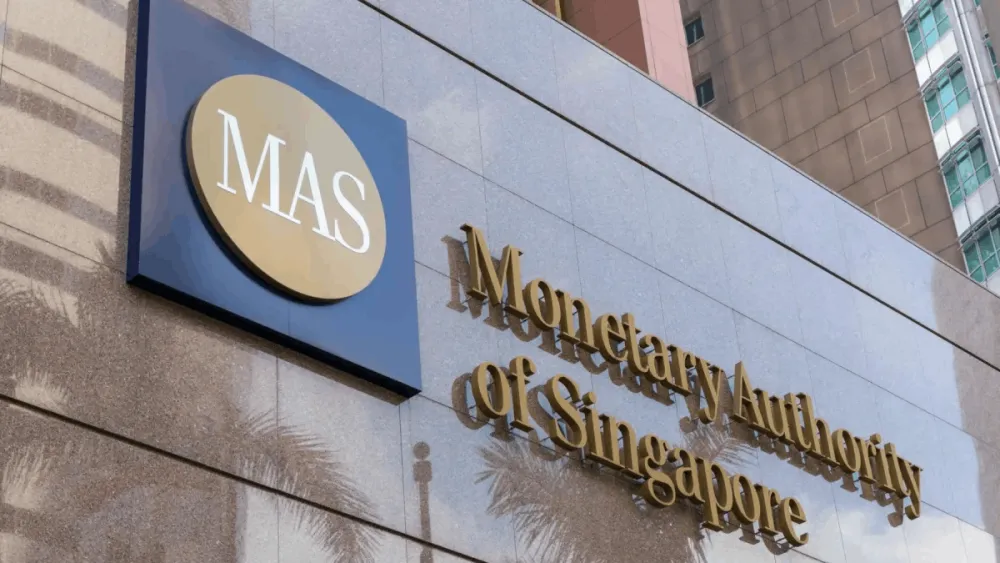
Singapore’s non-oil domestic exports (NODX) rose 38.4% year-on-year in May, extending the 24.4% increase recorded in April, according to Enterprise Singapore.
Electronics surged almost 95%, faster than the 66.7% growth in the last month, on the back of artificial intelligence (AI) related demand.
The increase was attributed to integrated circuits (+80.9%), disk media products (+227.8%), and PCs (+140.9%).
Non-electronic NODX also grew 17.7% in May, following a 10.9% increase in April.
The main contributors were pharmaceuticals (+102.6%), specialised machinery (+66.9%), and non-monetary gold (+83.2%).
Exports grew 18.1% for the first five months of the year.
Meanwhile, non-oil re-exports (NORX) rose 33.6% in May.
Electronic NORX grew 47.5%, led by integrated circuits, other computer peripherals, and parts of PCs.
Non-electronic re-exports increased 14.4%, with growth led by non-monetary gold, specialised machinery, and measuring instruments.
By market, NORX to Taiwan, Thailand, and Hong Kong rose 77.1%, 134.0%, and 26.4%, respectively.





















 Read Here
 Advertise
 Sign Up