Eastman unveils new tech centre in Singapore
This signals chemical firm Eastman’s commitment to its Asian clients.
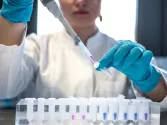
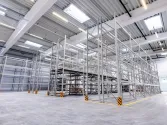
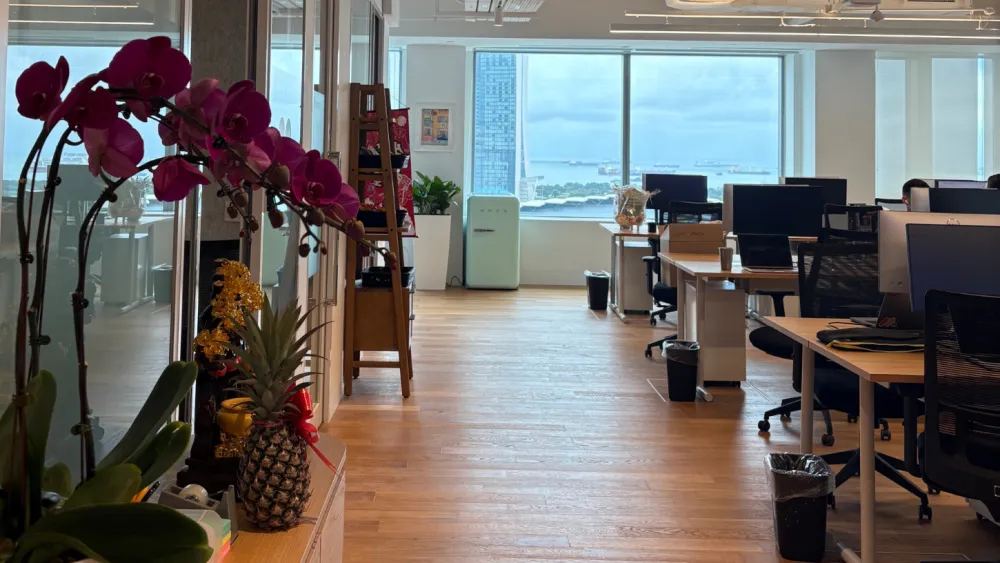
Eastman, a Fortune 500 company, recently unveiled the tech centre which will improve its research capabilities in chemicals R&D across the region. Located in Singapore’s Alexandra Technopark it includes a 24/7 lab aimed at energy savings of 50%.
Sustainability is a major part of Eastman’s philosophy both in its own operations and in the wide range solutions it offers its clients.
The company operates across three main product lines – architectural coatings, adhesives such as those used in diapers, and plastics. One of Eastman’s most well-known plastics is a highly durable material called Tritan, which is BPA-free.
When Eastman first entered Asia back in 1997 it launch an early version of the tech center in Singapore. But over the years, as its Asian business has grown, Eastman felt the need to significantly upgrade these facilities.
Dr Greg Nelson, Senior Vice President and Chief Technology Officer of Eastman Chemical Company, was in Singapore for the tech center launch.
Asia is Eastman’s best market
He said: “In 1997 when we first came to Singapore the world was a very different place. Asia has now become a huge driving force and has its own agenda. As an innovative company we must adapt to that.”
From a standing start, Asia now accounts for 28% of the Eastman’s total revenues, highlighting how important the region is to the group.
It predicts continued healthy growth as Asia’s middle classes grow and demand safer, better-designed and more sustainable products.
Dr. Nelson added: “Growth in Asia is the fastest across the whole group which we could not achieve without being engaged with our customers. This happens because of having a modern tech centre where we can design and create the exact products our clients need.
“You put your best research close to your best markets. For us that’s Asia.”
Sustainability in Asia
Eastman is a global market leader across a range of sectors including building and construction, consumables and energy.
Interestingly, Asia has overtaken Europe in terms of demand for more sustainable and safer consumer products, according to Dr. Nelson.
He said: “People in Asia care greatly about sustainability. They want to know the source of the materials that go into the products they are buying.”
And Eastman, with its new tech center, is in the perfect position to collaborate with its Asian clients on new designs and solutions. It has plenty of exciting products in the pipeline to cater to such demands for greater sustainability.
These include a cleaner diesel fuel and a high-speed wood coating technology.
While the tech centre employs a permanent staff of 15, part of the redesign has created space to increase its headcount by 50%.














 Read Here
 Advertise
 Sign Up