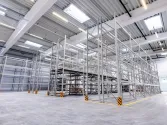
Industrial rental growth to slow in 2024
It is expected to moderate to between 3% and 5%.
The annual industrial rental growth is expected to moderate to between 3% and 5% amidst slower global growth and higher capital costs, a drop from 8.9% in 2023, according to Catherine He, head of research of Colliers Singapore.
Additionally, price growth is expected to be between 1% to 3%, compared to 5.1% last year.
In its market report, Colliers said the JTC All Industrial rental index increased by 1.0% QoQ in the second quarter, down from 1.7% in the previous quarter and marking the slowest growth since early 2022.
It noted that the industrial sector will see an average annual supply of 1.1 million square meters from 2024 to 2026, outstripping the average annual supply and demand of 0.9 million and 0.6 million square meters, respectively, over the past three years.
The market is currently experiencing low precommitments and occupancy rates for many properties, prompting landlords to offer incentives to attract tenants.
Singapore’s manufacturing sector bounced back in Q2 2024, with continued recovery expected through the year. Electronics, a major component of manufacturing, is recovering after a Q1 slump. The expansion of major semiconductor and manufacturing firms is likely to attract foreign suppliers and support local businesses, boosting the industrial sector.
Factors such as global protectionism and uncertainty surrounding US interest rate policies also contribute to the cautious outlook. Despite this, Singapore’s stable environment may continue to attract firms seeking to mitigate risks.
“Leasing demand is expected to pick up in tandem with an improving manufacturing sector and a pickup in sentiments. However, rental growth is expected to moderate in light of occupier cost sensitivity and pressure from incoming supply,” Colliers noted.
Moreover, the need for efficiency is boosting demand for modern industrial assets, resulting in more redevelopments and refurbishments. Landlords may need to lower rents and offer incentives to attract tenants. Increased investment activity is expected, with more sale and leaseback transactions to free up capital.
























 Read Here
 Advertise
 Sign Up