Quirky tech startups to rule the CBD as banks exit
Landlords need to offer flexible leases.
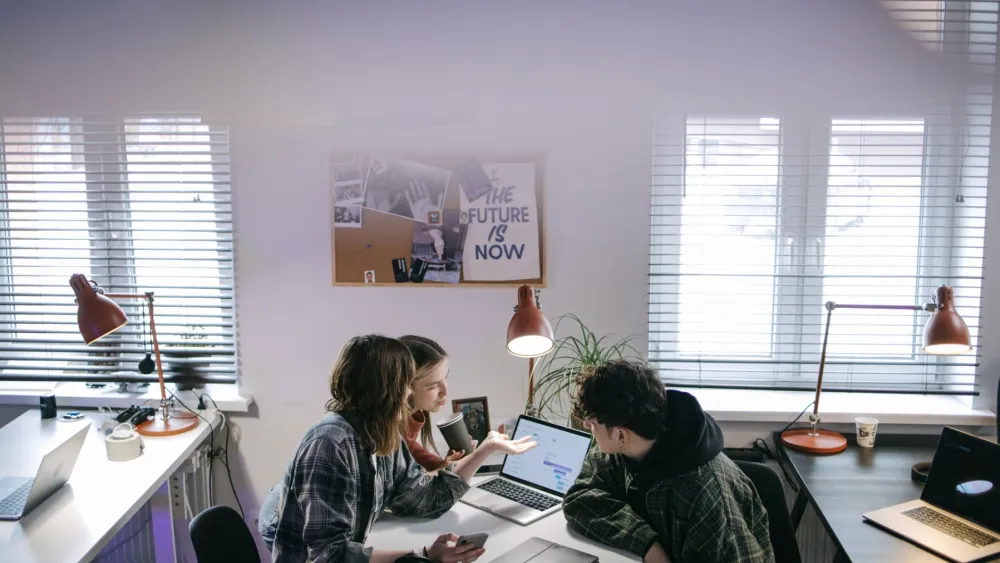
Gone are the days when suit-clad bank workers dominated central business districts (CBDs) in Singapore and elsewhere in Asia. Now, casually-dressed millennials have become the key drivers of space demand, which means that landlords have to re-think their strategies in order to retain tenants.
Sam Harvey-Jones, Managing Director of Occupier Services—Asia at Colliers, noted that increasing number of tech firms, many of which are younger companies or startups, are taking up CBD space across the region.
“Tech companies are looking to recruit talented younger staff who have very different mindsets. Millennials prefer working environments that are fun, creative and unstructured – and the market is changing to give them what they want,” he said.
As demand from tech-sector tenants usually grows much faster than those from mature industries, landlords are moving to provide more flexible workspaces and leasing arrangements that can accommodate hard-to-predict changes in employee headcount.
In Singapore, young tech firms prefer to locate in core CBD locations to create a point of difference and establish their brands.
“Differentiation is a big driver for tech firms in Singapore. More established firms generally feel that they have established a strong enough brand to attract and retain staff in a more decentralised location,” said Anthea To, Senior Associate Director of Research and Advisory, Colliers International.
























 Read Here
 Advertise
 Sign Up