Singapore eyes developing underground version of 2008 master plan
Public consultation will be launched soon.
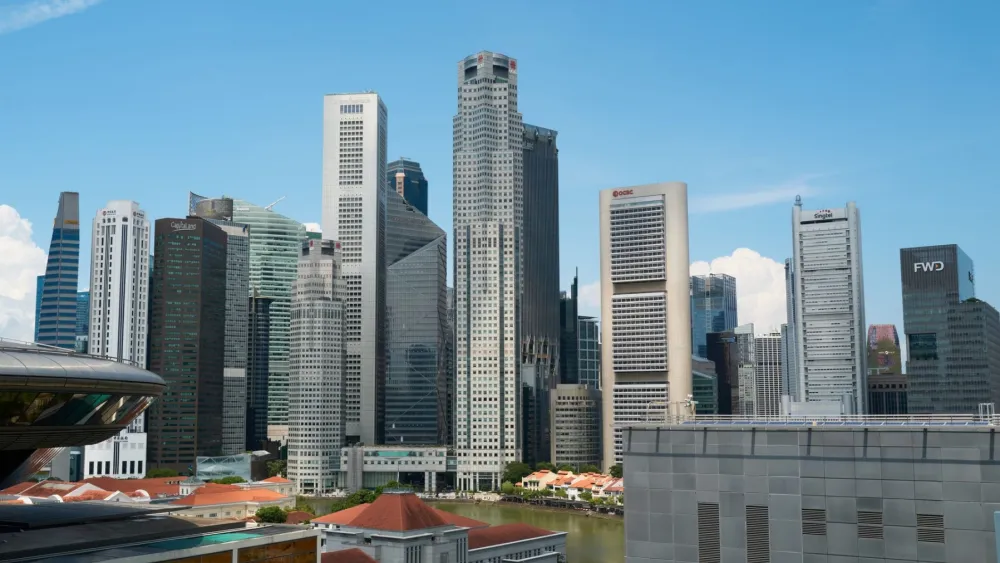
Singapore is looking into drafting an undergound equivalent of its 2008 Master Plan project. In his blog, Minister for National Development Khaw Boon Wan said the government is currently in the midst of updating its Master Plan and a draft will be put for public consultation via an exhibition soon.
In parallel, the government is also thinking about the possibility of developing an underground equivalent of the Master Plan to see how practical underground plans can complement the above ground Master Plan to make Singapore even more exciting and liveable.
Taking reference from other cities such as Canada, Japan, and Montreal, Khaw said there are possibilities of creating underground transport hubs, pedestrian links, cycling lanes, utility plants, storage and research facilities, industrial uses, shopping areas and other public spaces in Singapore.
"But such developments do cost more, especially if the cheaper alternative of using surface land is available.
Still, we can try to push the boundary of usage – to experiment, to learn and to evolve practical innovative solutions – so as to prepare for the future," he said.
"We will not rush to do this underground Master Plan. We will also not be able to formulate a comprehensive underground Master Plan in our initial attempt(s).
But the earlier we begin this process, the faster we will learn and the easier it would be for us to realise these plans," Khaw added.
Read full blog here.

























 Read Here
 Advertise
 Sign Up