Daily Briefing: Menon says Singapore fintech is evolving; Liquidity key to avoiding bankruptcy
And here's how to choose between electric, hybrid, and petrol cars.
From Bloomberg Finance:
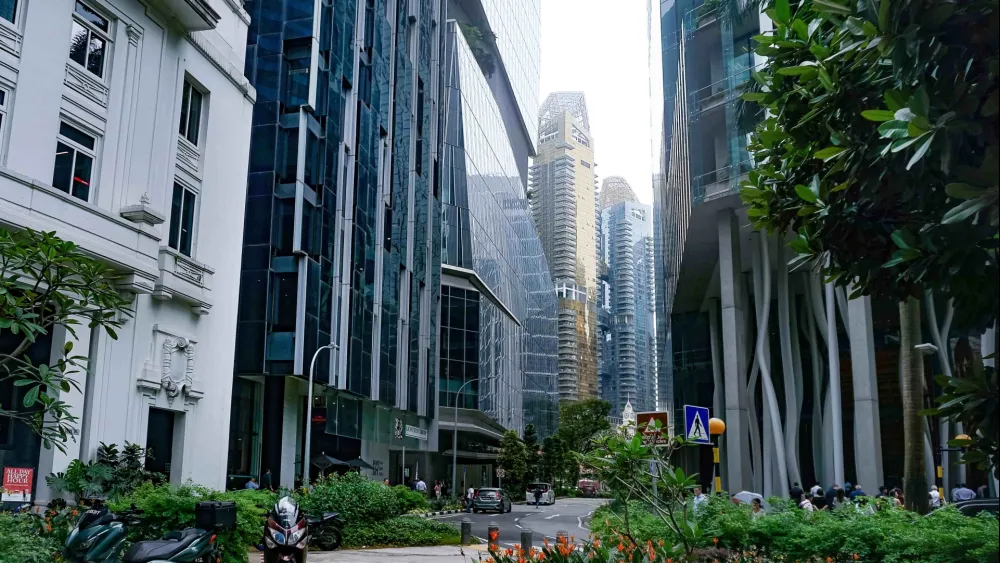
Singapore’s vision and strategy for developing financial technology is evolving with rapid technological and industry changes, Monetary Authority of Singapore chief Ravi Menon said, as the regulator prepares for its second FinTech Festival next week.
"What we know now is different from what we knew a year ago" when the MAS held the inaugural festival, Menon told Bloomberg News in an October interview. "So you will see an evolution in our fintech thinking, be it on regulation, be it on data analytics and some of the things that we are doing.”
Read more here.
From DollarsAndSense.sg via Yahoo! Finance:
The Vehicular Emissions Scheme (VES) will come into effect this 2018, replacing the current Carbon Emissions Vehicle Scheme (CEVS). New registered cars will still be banded according to their emissions, but the VES is stricter in that it accounts for other pollutants in addition to carbon dioxide. Cleaner cars will qualify for rebates, and cars that with higher emission will incur surcharges. In doing so, the government hopes to incentivise people to buy lower emission vehicles.
The prospect of saving on fuel costs and getting rebates has Singaporeans rather optimistic about owning hybrids, PHEVs and EVs, with a 70 percent increase in petrol-electric hybrid cars in Singapore as of January this year, from 2015.
We calculated the upfront, registration and operating costs of the three types of cars (petrol, hybrids and electric vehicles) under the CEVS as well as the VES, in a bid to see which makes more financial sense.
Read more here.
From The Motley Fool:
A company would have bills to pay and revenue to earn. A company will only fail if it is unable to pay back its bills and its suppliers, or its bank decides to take legal action against the company’s failure to pay.
In short, a company would only fail if it does not have the money to pay back its short-term bills and debt. The key here is the lack of liquidity could bring a company to bankruptcy.
Liquidity is not the same as having high debt or having a bad business model. In theory, a company can take on an infinite amount of debt to fund its business. As long as the banks are willing to continue lending it money, even to just repay its old debts, the company can still continue to survive.
Read more here.

















 Read Here
 Advertise
 Sign Up