Deflation, not recession, is the central bank’s greatest enemy: UOB
Dovish policy is almost unavoidable.
Economic activity in Singapore has been steadily dwindling in past months, with the manufacturing sector contracting 7% in August, pitching the city-state ever closer to the abyss of technical recession.
However, analysts from UOB note that the threat of deflation will weigh more heavily on the Monetary Authority of Singapore’s (MAS) mind when it releases its monetary policy statement in October.
“The risk of facing a technical recession is not a sufficient condition for the MAS to adopt a dovish policy mentality. What will push the central bank to dovish actions could really be the on-going risks of disinflation/deflation amongst our largest importing partners and the degree of the depreciation of their currencies with respect to the SGD,” UOB said.
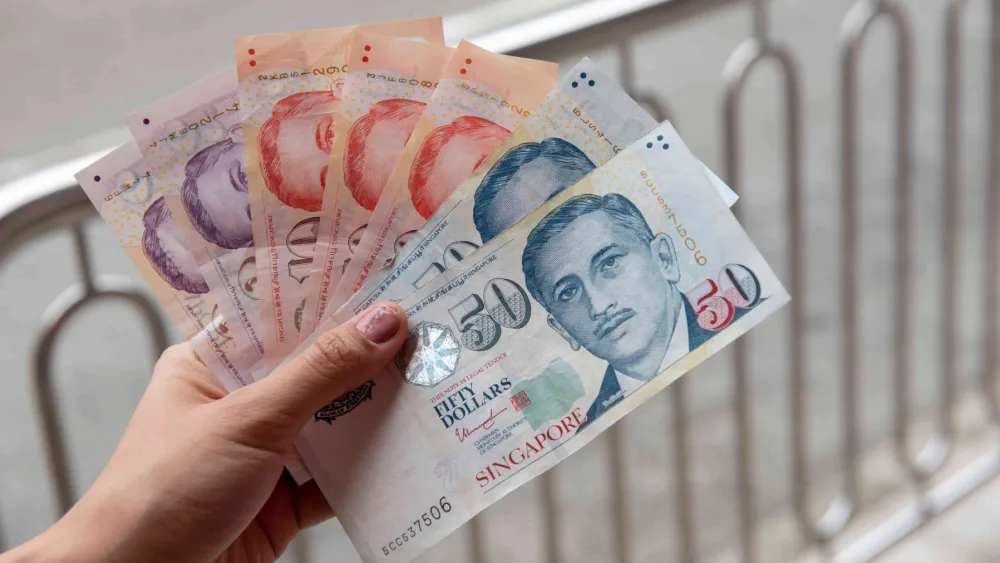
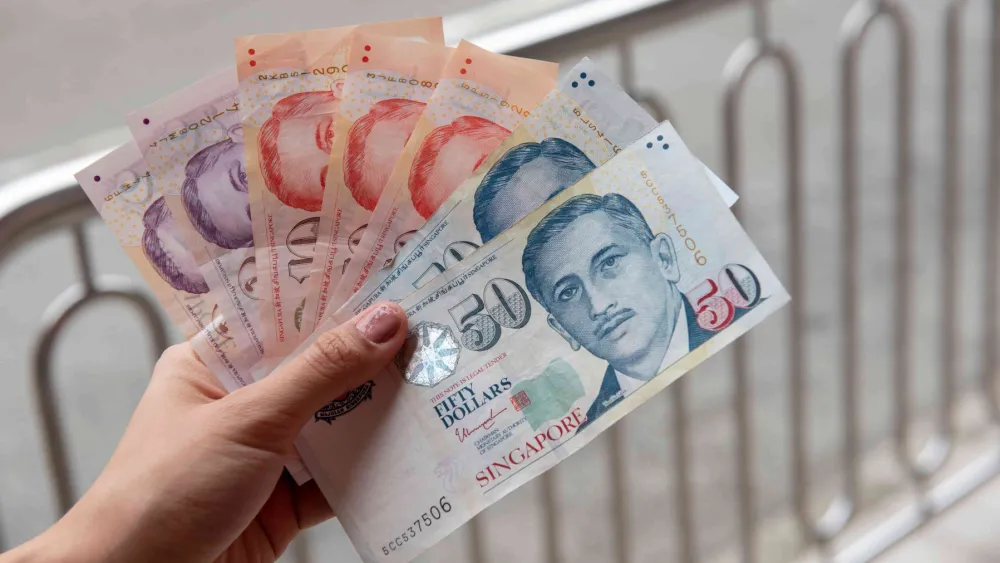
Many central banks have become more dovish this year, which has driven key currencies to decline against the SGD.
This has resulted not only in a decline in Singapore’s export competitiveness but also in the “importation” of deflation, with Singapore’s core inflation hovering near zero for the past months.
“If that continues, and with no signs of higher global oil and commodity prices, Singapore could be importing even more deflation onto our shores in the months ahead. This could warrant the MAS adopting an easier monetary policy,” the report warned.
























 Read Here
 Advertise
 Sign Up