SBF flags pressure from 12.5% US tariff over forced labour
The federation advised companies to review product classifications and assess export exposure.
The Singapore Business Federation (SBF) has called for clear guidance and adequate transition periods for businesses following the US Trade Representative’s (USTR) 12.5% tariff on imports from Singapore over forced labour concerns.
“Singapore businesses do not condone forced labour and support efforts to uphold responsible and ethical supply chains,” SBF said in a statement.
The business group added that any new regulatory requirements should be carefully studied and developed in close consultation with industry.
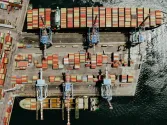
It cited potential implications for business operations, supply chains, compliance costs, and Singapore’s position as a trusted global trading and transshipment hub.
Singapore is amongst the countries covered by the USTR’s Section 301 determination on forced labour, with exclusions for certain pharmaceutical, aerospace, and other specified products.
SBF advised companies with US market exposure to review product classifications, assess whether their exports are covered by the tariff or exclusions, and consider potential implications for pricing, contracts, and supply chains.
“Singapore has not introduced an import prohibition on goods produced with forced labour, and we appreciate that the government has been mindful of the potential impact on our companies and Singapore's position as a global trading hub,” said Mark Lee, Chairman of SBF.
Lee added that clear guidance and adequate transition periods would be essential to help businesses comply effectively.
He said SBF stands ready to work with the government and industry stakeholders and provide feedback from the business community.























 Read Here
 Advertise
 Sign Up