Singapore is the world’s priciest city to live in for third straight year: EIU
It trounced Zurich and Hong Kong.
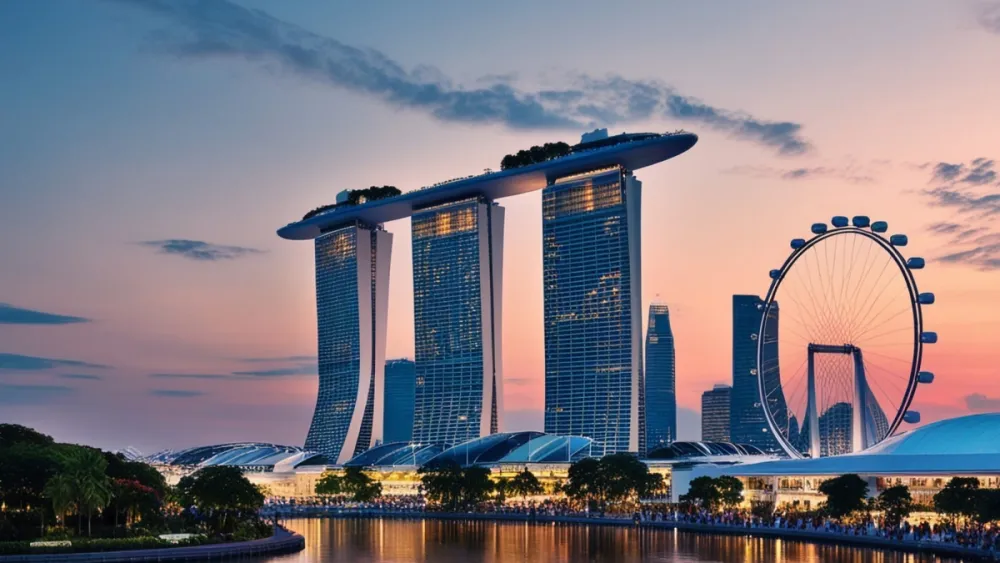
For the third straight year, Singapore has dominated the rankings as the world’s most expensive city to live in. In second place came Zurich and Hong Kong, with latter having jumped seven places up the list in the last year.
According to a report by the Economist Intelligence Unit, although Singapore has again topped the list, its lead over the next two cities has all but vanished.
Meanwhile, Geneva and Paris came in fourth and fifth. London, New York and Los Angeles also climbed the rankings to sixth, seventh, and eighth places respectively, displacing Sydney, Melbourne, and Oslo from the top 10.
The report further notes that despite leading the list, Singapore still offers relative value in some categories, especially compared with its regional peers.
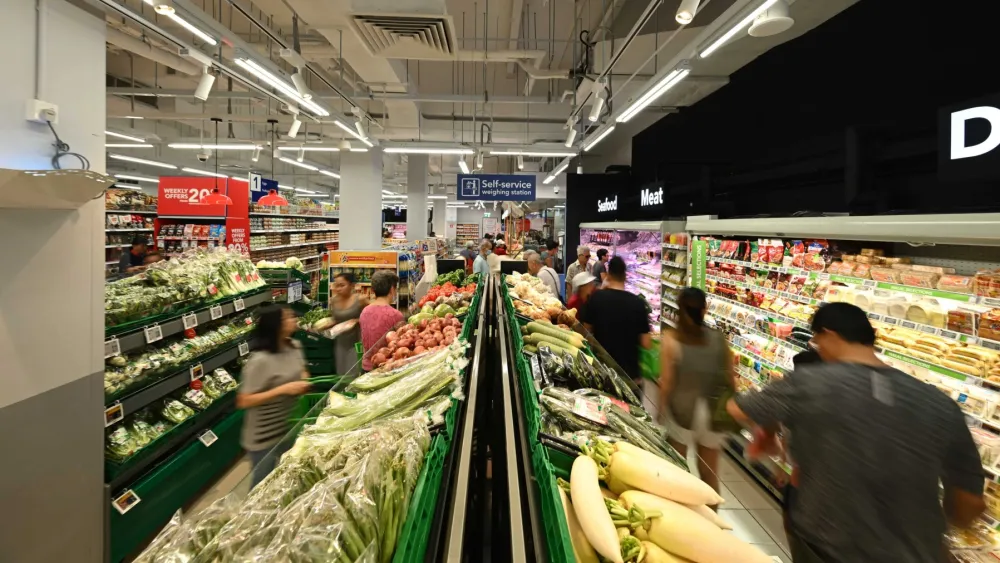
For general basic groceries, for instance, Singapore offers the same value as New York. This compares with Seoul, which is 33% pricier, Hong Kong (28%) and Tokyo (26%).
On the other hand, Singapore remains consistently expensive in other categories. It is the most expensive city in the world to buy and run a car, due largely to the city-state’s complex Certificate of Entitlement system. Transport costs are 2.7 times higher than in New York. In addition, alongside Seoul, Singapore is a very expensive city in which to buy clothes and pay for utilities.
Photo by CBD Elliot Westacott / Shutterstock.com
























 Read Here
 Advertise
 Sign Up