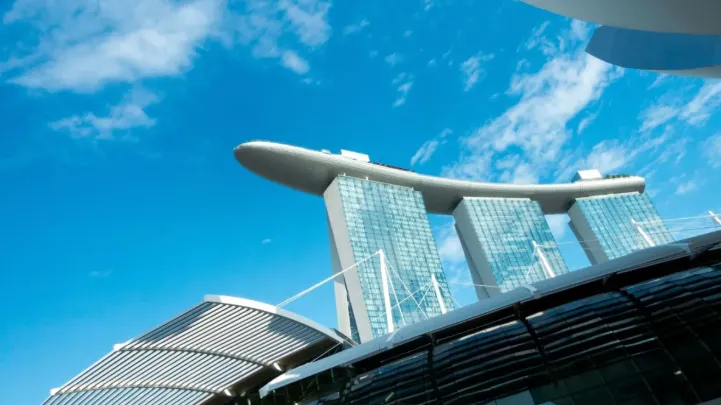
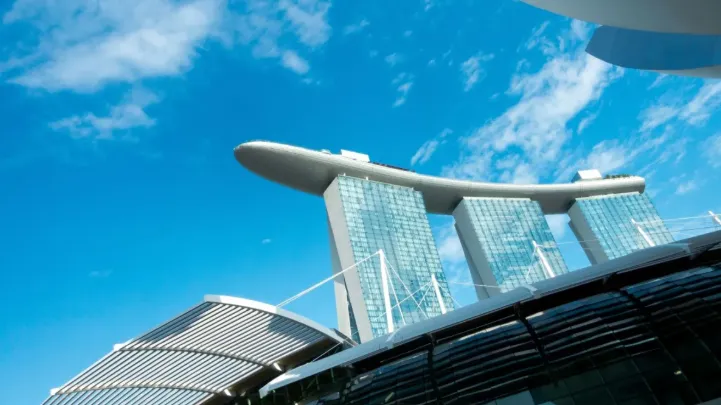
Tariff risks to weigh on Singapore’s growth in 2025
However, strong domestic data may prompt the MAS to maintain its current policy stance.
Tariff escalations are expected to weigh on Singapore’s growth in 2025, but strong domestic data and above-average inflation may prompt the Monetary Authority of Singapore (MAS) to maintain its current policy stance.
Based on its report “Asia's Roadmap to Trump 2.025,” Deutsche Bank Research said while US growth may improve under President Donald Trump’s fiscal policies, the benefits are unlikely to reach export-reliant economies like Singapore.
It stated that Singapore’s GDP could shrink by 0.4 percentage points annually through 2028 under a severe scenario of 60% US tariffs on Chinese goods and a 10% universal tariff, the report noted.
In comparison, a milder scenario with 20% tariffs on Chinese goods and a 5% universal tariff would have a more moderate effect.
Meanwhile, it said Singapore’s external outlook remains uncertain as exports peak and potential US tariffs, along with weak Chinese stimulus, weigh on trade prospects.
“We lean towards our prevailing call to ease earlier rather than later (i.e., January 2025), especially since what could play out in global trade and foreign policy has been largely anticipated, coupled with expected disinflation path and the lagged impact of monetary policy,” the firm stated.
“However, we acknowledge that the MAS may want to wait for more certainty on both the domestic and external fronts. That is, domestic price pressures showing sustained signs of easing and economic activity weakening, as well as details of the roll-out of potential tariffs globally,” it added, revising its forecast for MAS rate cuts to April and July, instead of the earlier projection of January and April.
























 Read Here
 Advertise
 Sign Up