Should wealth managers recommend Bitcoin?
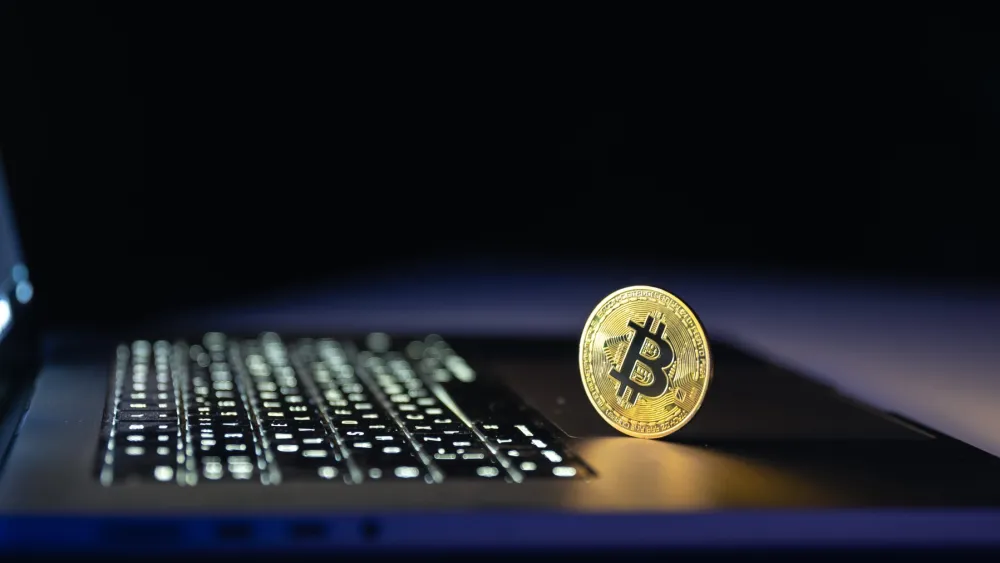
By Dominic GambleOf all the alternative investments out there, should Singaporean investors start badgering their wealth managers to start buying up Bitcoin?
It has had a rough journey, yet many continue to see Bitcoin – and other virtual currencies based on blockchain technology – as the future. Singapore has actually seen its first Bitcoin ATMs installed over two years ago (though many of the units have since been recalled), and a few cafes and shops in Singapore have even started accepting Bitcoin as a payment method. There are numerous exchanges in Singapore, with entrepreneurs spying opportunities in the region, given its potential for facilitating remittances, and the fact that many millions in Asia as yet do not have bank accounts.
As an alternative investment, Bitcoin has potential. In theory, Bitcoin is extremely useful as a means of transferring money cheaply, quickly, and efficiently. This makes it perfect for things like sending remittances back home or making trade payments. Furthermore, Bitcoin can also act as an alternative bank account for those who are unable to secure their own from traditional banks – numbering in the many millions in Asia alone. This all points to good growth potential.
Furthermore, there is a move towards regulation and broader acceptance, including rising interest from Wall Street, Silicon Valley, and official support for virtual currencies (including but not limited to Bitcoin) from the International Monetary Fund. As official acceptance grows so too should its credibility.
While this column concerns the value of Bitcoin as an investment choice, rather than its effectiveness as an alternative currency, the inherent advantages of Bitcoin are sound. Bitcoin allows for quicker and more efficient payment transfers, particularly across borders, its decentralised distributed ledger technology (via blockchains) is innovative and simple and could provide advantages that go beyond virtual currencies.
However, as a potential alternative investment, Bitcoin has its own set of unique risks. As with all virtual currencies, it is borderless. This means that it operates on a global scale, and comes under the responsibility of various agencies on a national level. This makes it hard to monitor and regulate effectively, especially as any regulation needs to involve international cooperation – never easy at the best of times. Until relatively recently, Singapore's own Monetary Authority of Singapore (MAS) did not regulate the currency simply because it doesn’t view it as legal tender.
Bitcoin continues to be associated with criminality – including money laundering, arms trading, and tax evasion. Whether this is fair or not can be debated, but the ability to make large purchases of questionable goods anonymously will always attract the attention of criminals. Unless law enforcement are able to police virtual currencies effectively, Bitcoin is unlikely to go mainstream.
Lastly and most importantly for investors is a lack of protection. As a result of both of the above points – lack of regulation and openness to criminality – investors in Bitcoin do so at their own risk, and have few resources to fall back on should they be subject to fraud or criminal behaviour. A case in point was the shutdown of one of the largest exchanges, Mt.Gox (Japan) in February 2014 – thanks to suspected theft – causing the price of Bitcoin to collapse from US$1,000 to US$570 a few days later. Investors were unable to withdraw their Bitcoin from Mt.Gox, and over 850,000 Bitcoins were lost.
While the value of rare stamps as an alternative investment can be measured by the size of its pool of enthusiasts, or wine by the year, Bitcoin plays by its own rules which have yet to be fully understood or even finalised. As an alternative investment, Bitcoin is best treated with caution; there are other options that promise safer returns with less volatility.























 Read Here
 Advertise
 Sign Up