Daily Briefing: More Singaporeans live in condos; The ins and outs of the Deposit Insurance Scheme
And URA revises rules for property developers.
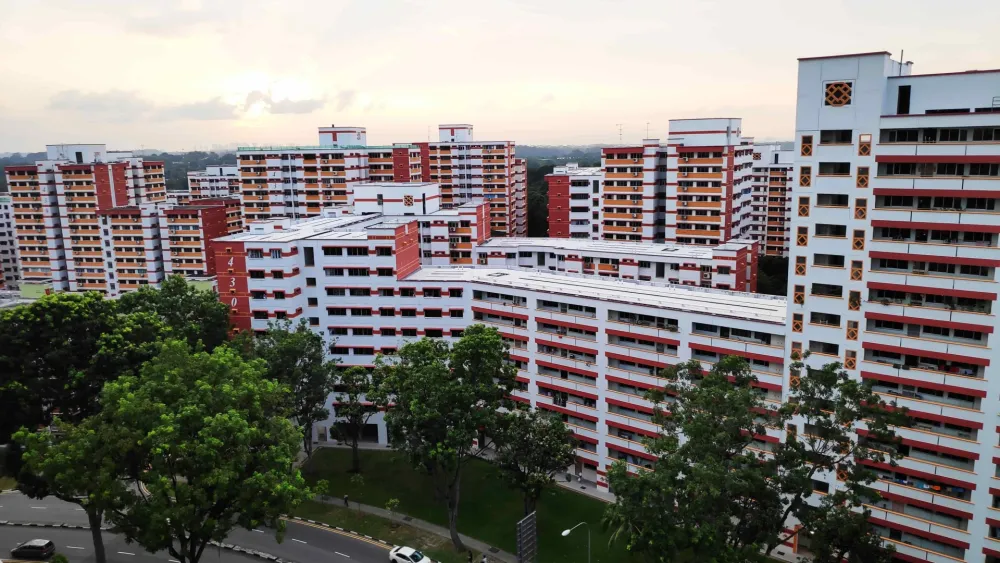
More Singaporeans now own their own homes, according to results of the latest General Household Survey released by the Department of Statistics (Singstat) on Wednesday (9 March). In 2015, homeownership among resident households reached 90.8 percent, up from 87.2 percent in 2010. Read more here.
In 2008, Washington Mutual, a bank with more than $300 billion in assets, declared bankruptcy. What happens to your hard earned savings if your bank fails? According to Global Edge of Michigan State University, Singapore has a pretty strong banking sector. In the unlikely event that something like that does happen, the Deposit Insurance Scheme (DIS) will kick in, and there’s a good chance you will be compensated up to $50,000. Read more here.
In a bid to promote accountability and protect the interests of home buyers, the Urban Redevelopment Authority (URA) recently revised the criteria for issuing sales licences for home builders, reported The Straits Times. First, the minimum paid-up capital or deposit for those applying for a licence, has been raised from $1 million to between $1 million and $4 million, depending on the project’s size. Read more here.


























 Read Here
 Advertise
 Sign Up