MAS extends scope of loan deferments
Starting 6 May, individuals with specific loans may apply to defer repayments until 31 December.
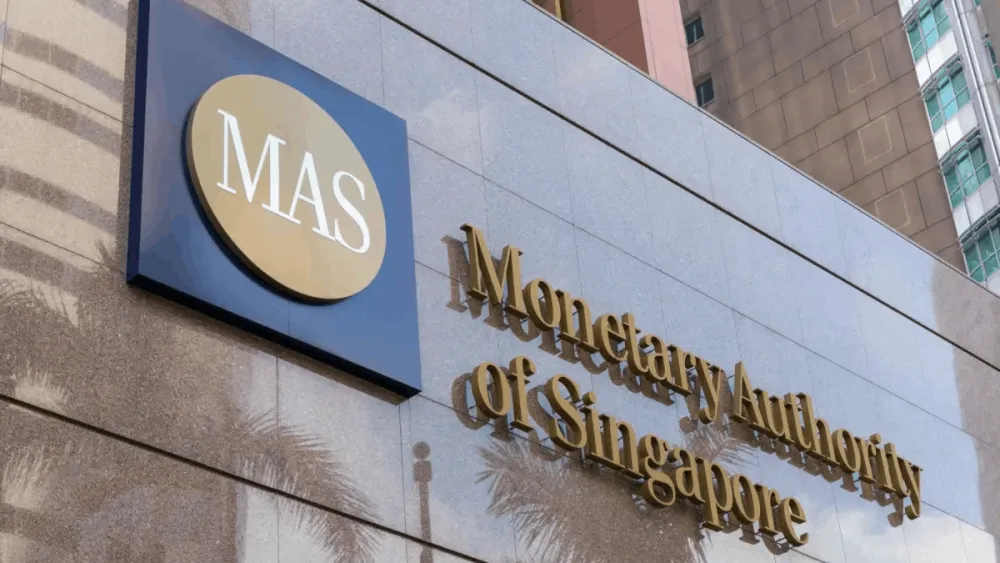
Beginning 6 May, individuals with commercial and industrial loans, student loans, and motor vehicle loans, amongst others, can now choose to defer their repayments, thanks to a second round of financial relief measures launched by the Monetary Authority of Singapore (MAS) and other financial industry bodies on 30 April.
The new set of relief measures for individuals will be provided by financial institutions on an opt-in basis, MAS together with the Association of Banks in Singapore (ABS) and the Finance Houses Association of Singapore (FHAS) announced in a press release. It covers commercial and industrial property loans, mortgage equity withdrawal loans, renovation and student loans, motor vehicle loans and hire-purchase agreements subject to assessment.
Individuals do not need to demonstrate the impact from COVID-19 to obtain these relief measures, and their credit scores will not be affected when they take up payment deferments, according to MAS.
Individuals can choose to extend the tenure by up to the corresponding deferment period to ease monthly installments when they resume regular repayment, said MAS.
Individuals with commercial and industrial property loans may defer principal repayments until 31 December, as long as their individual loans’ repayments were current as of 1 February.
Those with mortgage equity loans granted on or after 6 April may also defer either principal or both principal and interest payments until 31 December. Likewise, those with renovation and non-MOE student loans may apply to defer both principal and interest payments until the end of the year.
Meanwhile, individuals with motor vehicle loans and hire-purchase agreements affected by COVID-19 pandemic and are in need of payment deferment are required to approach their respective bank or finance company to discuss suitable repayment plans on a case-by-case basis.
Apart from loan deferments, individuals with investment property loans may also now apply to refinance or reprice their loans without being subject to the total debt servicing ratio (TDSR) and mortgage servicing ratio (MSR).
Individuals who do not meet TDSR and MSR will not need to commit to a debt repayment plan to repay 3% of their outstanding loan amount over three years, added MAS.
Those whose incomes are impacted by pandemic and are unable to meet the relevant minimum average daily or monthly balances for their retail bank accounts can also now apply to have fall-below service fees waived up to 31 December.
Further, people who have set up GIRO arrangements for automated payment deductions (such as insurance premium and electricity/phone bill payments) from their retail bank can apply to have bank fees waived for any failed deductions up to 31 December.























 Read Here
 Advertise
 Sign Up