MAS to limit OTC derivatives trading to bourses
The rules will cover popular derivatives like interest rate swaps.
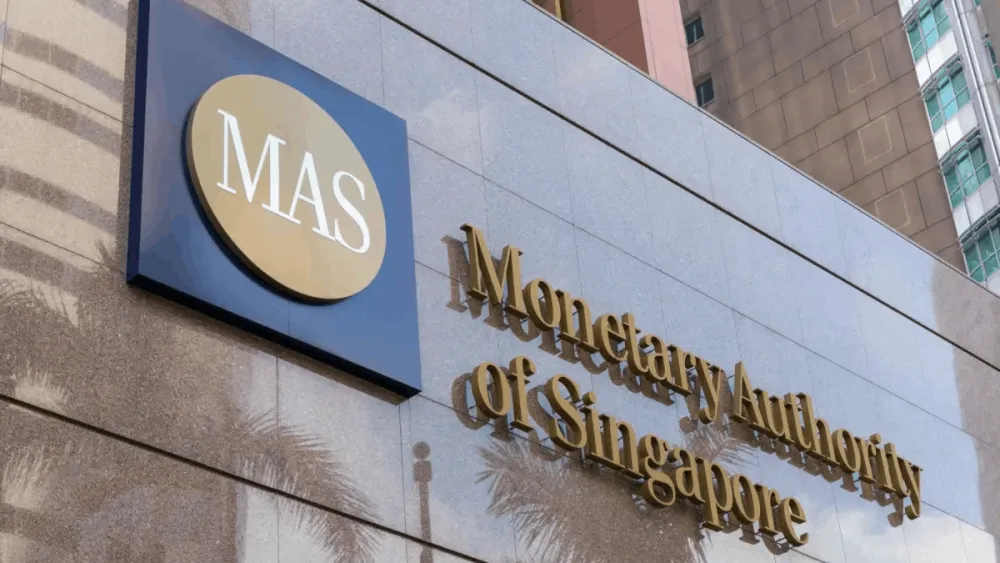
The Monetary Authority of Singapore (MAS) proposed to require the trading of over-the-counter (OTC) derivatives on organised markets, to help improve market transparency. According to a press release, this requirement will complete MAS’ implementation of the G20 OTC derivatives reforms.
MAS proposes to impose obligations on the most globally-traded OTC derivatives, namely interest rate swaps denominated in US Dollar, Euro and Pound Sterling to be traded on organised markets like exchanges or other centralised trading facilities. These obligations will apply to banks whose gross notional outstanding OTC derivatives exceed $20b. MAS expects that about 80% of Singapore’s market in these products would have to be executed on organised markets following the commencement of the proposed trading obligations.
MAS said it plans to seek equivalence determinations from the US and EU for exchanges and other centralised trading facilities in Singapore. "This will allow these markets in Singapore to be used by US and EU market participants to fulfil their trading obligations."
The consultation paper on the proposed regulations on the mandatory trading obligations for OTC derivatives is available on the MAS website. The MAS will receive feedback until 23 March 2018.



















 Read Here
 Advertise
 Sign Up