MAS to require investors to log stock short sales
They need to be reported through an online portal.
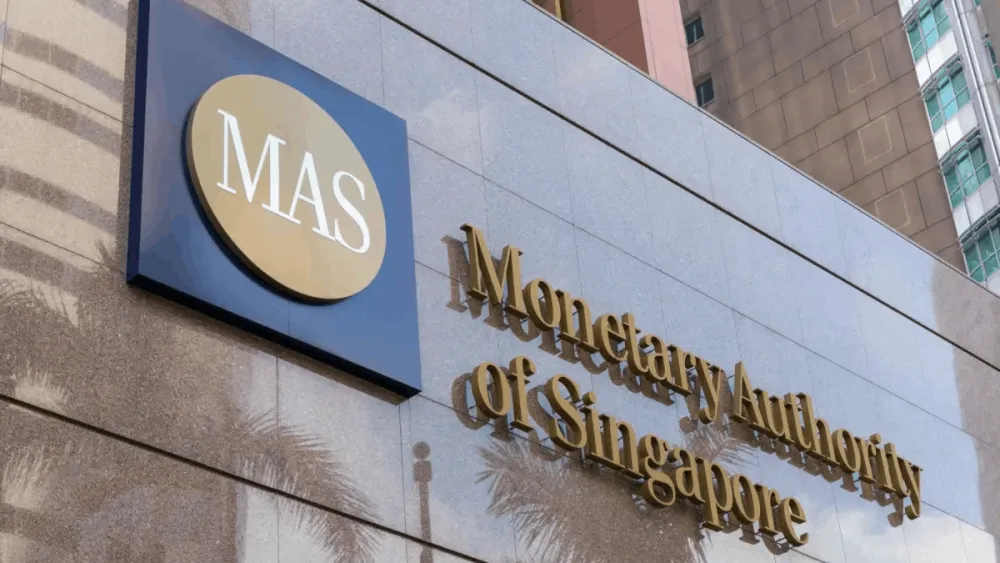
The Monetary Authority of Singapore (MAS) will require investors to report their short positions and short sell orders in listed securities starting 1 October 2018. "This will improve transparency on short selling activities in the securities market and enable investors to make more informed trading decisions," it said in an announcement.
Under the new rules, investors with short positions above a specified threshold will have to report these positions to MAS through a new online portal, the Short Position Reporting System (SPRS). A short position has to be reported to MAS if it reaches or exceeds the lower of (1) 0.2% of the total issued shares or units or (2) $2m.
MAS will publish aggregated short positions of each security on Wednesday of each week. "Identities of short sellers will not be disclosed. With immediate effect, market participants can access the SPRS and familiarise themselves with the system before mandatory reporting commences on 1 October 2018," it added.
The central bank noted that the new rules will also provide statutory backing to SGX’s trading rules which already require securities brokers and banks to flag all investor short sell orders to the exchange.
"There will be no change to the current arrangement for investors to inform their brokers when they submit short sell orders. SGX will continue to consolidate the short sell orders of each security and publish the information daily," it added.
The new requirements will be effected through the Securities and Futures (Short Selling) Regulations 2018.



























 Read Here
 Advertise
 Sign Up