MAS unveils supervisory framework for domestic systemically important banks
Take a look at the inaugural D-SIBs.
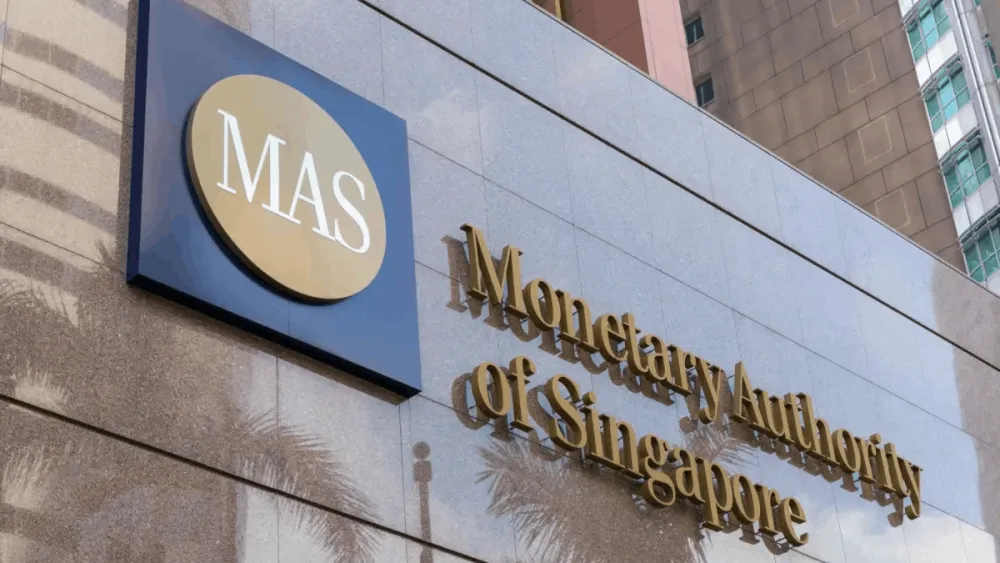
The Monetary Authority of Singapore (MAS) published its framework for identifying and supervising domestic systemically important banks (D-SIBs) in the country, as well as the inaugural list of D-SIBs.
D-SIBs are defined as banks that are assessed to have a significant impact on the stability of the financial system and proper functioning of the broader economy.
The inaugural D-SIBs are DBS, OCBC, UOB, Citibank, Malayan Banking Berhad, Standard Chartered, and HSBC.
The framework builds on MAS’ existing supervisory impact assessment methodology and is aligned with the principles set out by the Basel Committee on Banking Supervision (BCBS) for determining banks that are of domestic systemic importance.
The central bank will apply additional supervisory measures on banks designated as D-SIBs. Banks that have a significant retail presence in Singapore will be required to locally incorporate their retail operations.
Meanwhile, locally-incorporated D-SIBs will need to meet higher capital requirements – a minimum Common Equity Tier 1 (CET1) capital adequacy ratio (CAR) of 6.5%, Tier 1 CAR of 8% and Total CAR of 10%, compared with the Basel III minimum requirements of 4.5%, 6% and 8% respectively.
Other measures such as recovery and resolution planning, liquidity coverage ratio requirements, and enhanced disclosures will also apply, depending on the bank’s operating model and structure.
MAS will allow a transition period for affected banks to comply with the requirements that are currently not in effect, such as the local incorporation requirement.


























 Read Here
 Advertise
 Sign Up