Retail investors offered easier access to investment funds, ETFs
Say hello to Excluded Investment Products.
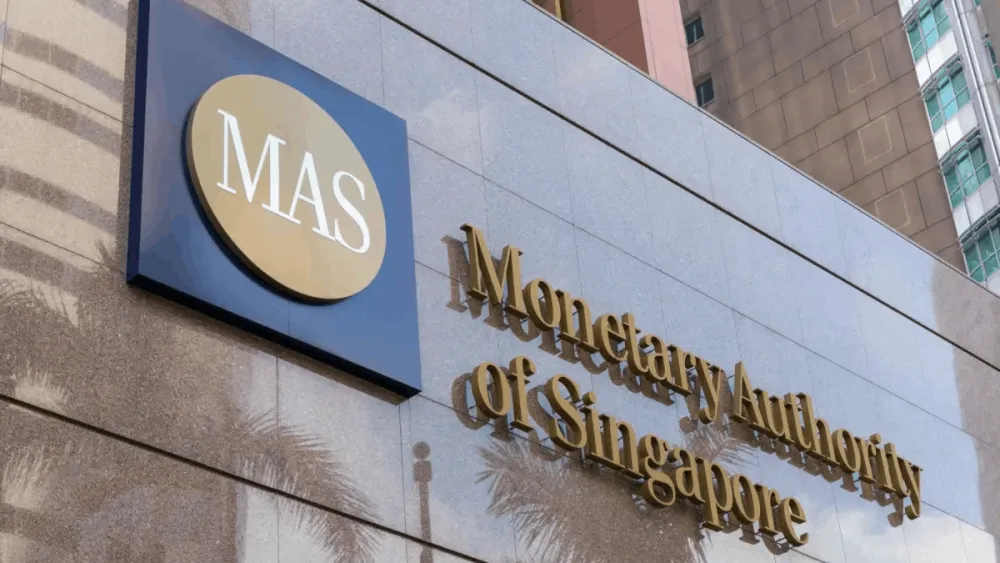
The Monetary Authority of Singapore (MAS) today unveiled a simpler classification method to give retail investors access to a wider range of investment funds, including exchange-traded funds (ETFs).
Under the new system, funds which make limited use of derivatives that are relatively less complex will be classified as Excluded Investment Products (EIPs) instead of Specified Investment Products (SIPs).
SIPs are more complex products and can only be sold to retail investors with enhanced safeguards, including an assessment of these investors’ investment knowledge or experience.
Retail investors will now have better access to EIPs as they will no longer need to be assessed on their investment knowledge or experience.
“With the changes to the EIP definition, the total number of SGX-listed ETFs which are classified as EIPs could increase to about 20, accounting for over 80% of assets under management by ETFs listed on SGX. This provides retail investors convenient access to a broader range of relatively simple investment funds while maintaining sufficient safeguards for the more complex products,” said Lee Boon Ngiap, Assistant Managing Director, Capital Markets, MAS.



























 Read Here
 Advertise
 Sign Up