Leader wellbeing drives better decisions and safer workplaces: study
WWL said that it is 56 times more impactful than stress management programmes.
Leader wellbeing emerged as one of the six drivers in a study identifying the most influential drivers of both organisational wellbeing and performance.
The roadmap, conducted by charity WorkWell Leaders (WWL), posits that Leader Wellbeing is 56 times more impactful than stress management programmes.
Other drivers include making work empowering; promoting belonging; addressing whole-person needs; championing fairness, and turning values into action.
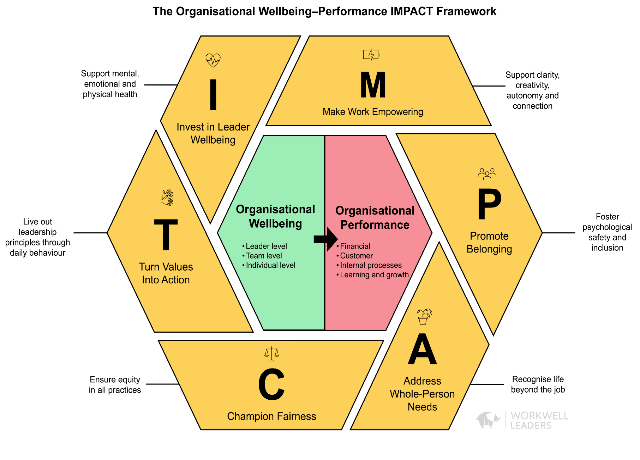
CEOs play a critical role in shaping the emotional climate of an organisation and must treat their wellbeing as both a strategic priority and personal responsibility, the study said.
In turn, CEOs must empower their leaders at every level to do the same, creating the conditions for wellbeing to cascade across the organisation, it added.
The second driver, clarity and role improvement, is said to be 120 times more impactful than managing workload.
“It is not about how much people work; it is about whether the work works for them. Empowering work design that prioritises job feedback, autonomy and variety in any given role significantly boosts wellbeing more than run-of-the-mill wellbeing programmes,” the study said.
The third driver, belonging, is said to be more powerful than performance bonuses, according to the study. This involves more than having inclusivity policies in place.
“Leaders should foster psychological safety, model inclusive behaviours, encourage open dialogue and celebrate diversity of ideas to build trust and engagement,” the study said.
Whole-person support is 17 times more effective than wellbeing apps. Leaders are called to recognise that employees bring their full selves to work and should support them by offering flexibility, showing empathy and openly discussing life outside work.
For example, companies can provide skills training and support in caregiving, financial literacy, parenting, etcetera. through the life stages of employees acknowledges them as whole people.
Fairness is said to be 46 times more impactful than perks; whilst living values—practising compassion— is six times more impactful than stating them.
“Equity matters more than perks. Ensuring perceptions of fairness in pay and promotions is essential for building trust and signalling respect. Leaders should communicate clear criteria, invite open conversations, remain approachable on concerns and audit decisions for bias,” it said.
Meanwhile, leaders should live out values by embedding courage, compassion, commitment and clarity in their decisions, seeking feedback on alignment, and holding themselves accountable.



























 Read Here
 Advertise
 Sign Up