Singapore named most expensive city for the wealthy
This marks the third consecutive year the city-state has topped the index, which tracks the cost of luxury living across 25 global cities.
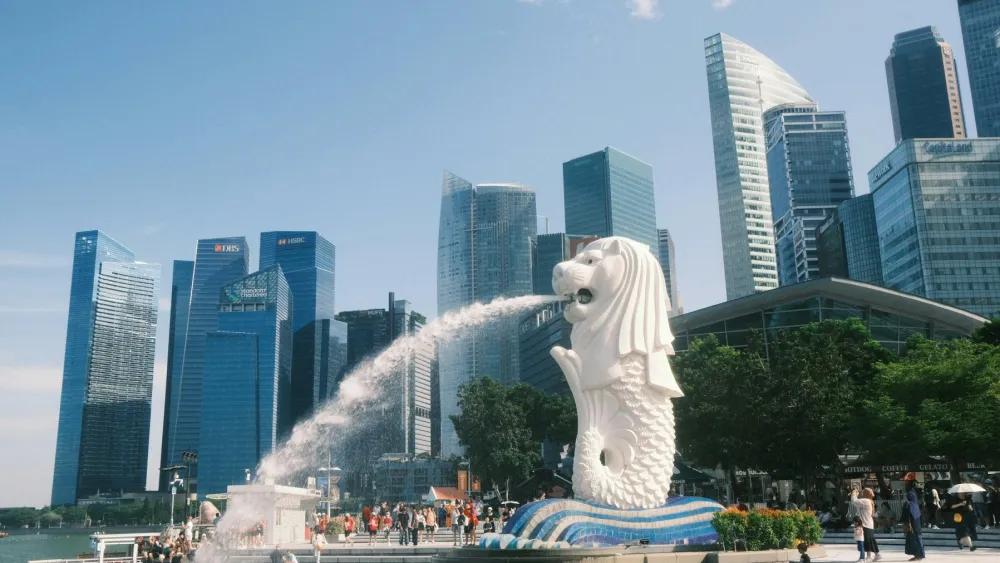
Singapore has once again been named the most expensive city in the world for high-net-worth individuals (HNWIs), according to the 2025 Julius Baer Global Wealth and Lifestyle Report.
This marks the third consecutive year the city-state has topped the index, which tracks the cost of luxury living across 25 global cities.
The index ranks cities based on the price of a basket of 20 premium goods and services, including luxury homes, cars, business-class flights, fine dining, and private education.
Despite global declines in some discretionary spending categories, such as technology (–22.6%), healthcare (–15.6%), and champagne (–4.2%), Singapore’s prices stayed elevated. The stability of the local currency helped insulate the city from broader global price dips, keeping its top ranking intact.
In the Asia-Pacific region, business-class flight prices rose 12.6%, watches 9.0%, and bicycles 5.5%. Singapore, with its premium infrastructure and demand for luxury services, continues to outpace regional peers like Hong Kong and Shanghai, which fell in this year’s rankings.
The report also noted that HNWI spending in Asia-Pacific remained strong. Fine dining, smartphones, hotels, healthcare, and high-end fashion saw the largest year-on-year spending increases amongst wealthy individuals.
Notably, 59% of APAC HNWIs spent more on leisure travel, with 40% boosting business travel budgets as cross-border activity resumed.



















 Read Here
 Advertise
 Sign Up