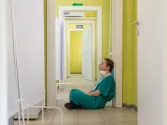
Workaholic woes: More than 1 in 2 Singaporeans felt increased stress over past 6 years
Management style is a top cause.
Singaporeans are widely known as very diligent in the workplace, staying even longer hours than required. But a lot of times it’s really not of their own choosing.
According to a survey by Roffey Park, the majority of Singaporean employees surveyed (64%) stay in the office for at least an hour longer than their contractual work commitment requires – at least three times a week. 62% bring work home.
Work does not appear to end for some even while on vacation (47% work whilst on vacation) or even while on medical leave (43% work from home while on medical leave). Added to the long hours is the fact that stress levels among Singaporean workers appear to be increasing. More than one in two employees (56%) report experiencing an increase in workplace stress over the past six months.
Meanwhile, the top causes of stress were management style, ineffective workplace relationships in the form of destructive organisational politics and workload. These statistics do not bode well for Singapore: despite the long hours spent working there do not seem to be discernible benefits to such “presenteeism”. Observers worry that unless such ingrained work practices are challenged and tackled, Singapore’s productivity will simply level off.
Mr Michael Jenkins, CEO of Roffey Park commented, “These findings confirm what has been known for a long time: that simply putting in long hours will not result in an improvement in productivity. What our research points to is that Singaporean workers are working hard but not necessarily smart. Productivity is still measured in terms of hours not outcomes and those hours are not yielding the outcomes needed to sustain growth.”





















 Read Here
 Advertise
 Sign Up