Singapore mulls over creating cashless payment tech for hawker centres, shops
And check out what other tech plans PM Lee has in mind.
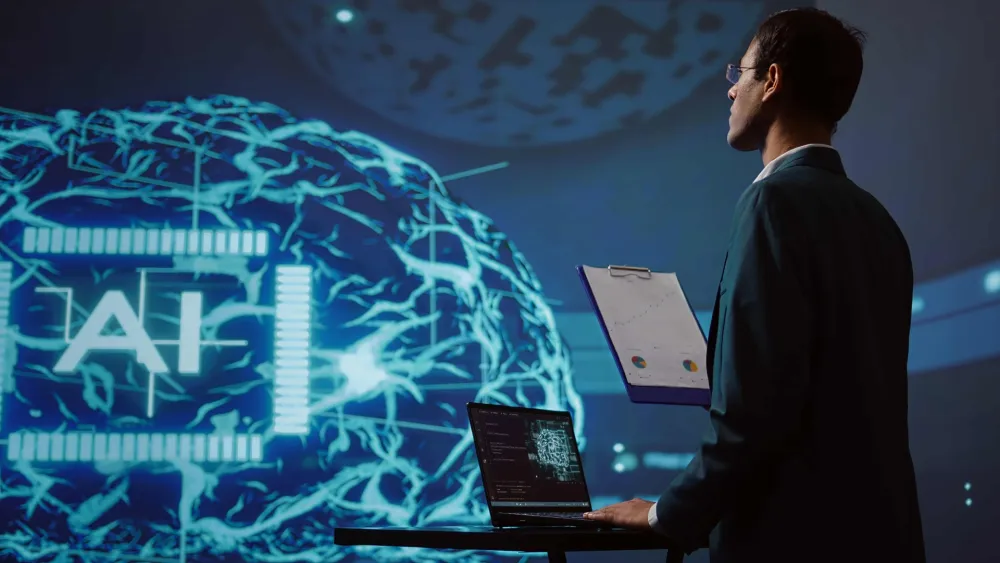
Singapore Prime Minister Lee Hsien Loong envisions the country to shape technology more as it gears toward the realisation of the Smart Nation Initiative.
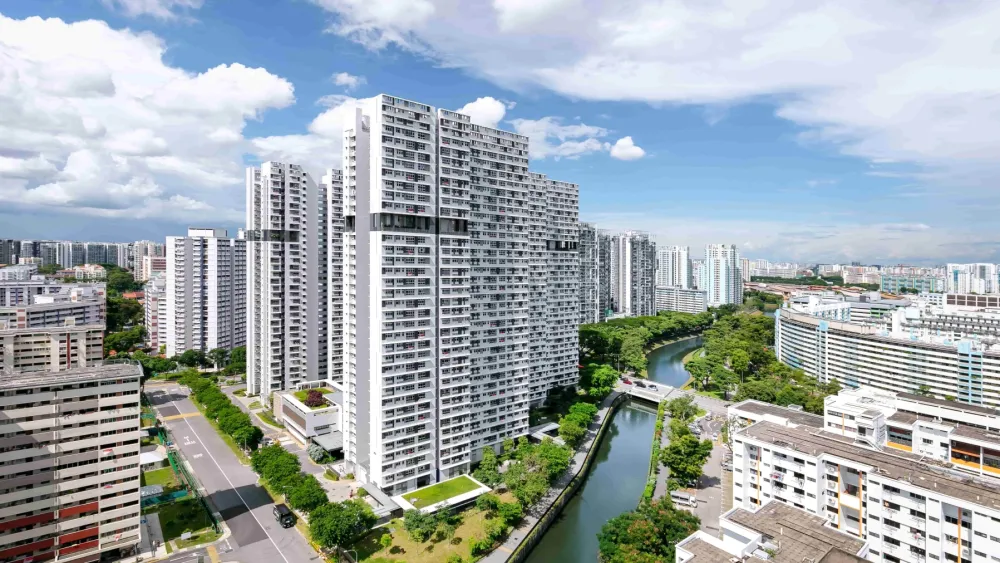
During the dialogue at Camp Sequoia, PM Lee said Singapore has an advantage as a city that is compact and wired up.
"It is economical for us to provide very high-quality infrastructure, and we have people who take to it naturally. Individually, they know how to operate their phones or play Starcraft, Warcraft. That is why we pay attention to encouraging start-ups, using tech, having what we call a Smart Nation initiative," he said.
One such technology he would like to see is a good electronic payment system. PM Lee argued that Singapore has a lot to learn from other countries in terms of cashless payment systems.
"We have not gone as far as we need in order to do cashless payments in hawker centres, in shops, between people. I was complaining to my Permanent Secretaries the other day. The Ministers have lunch once a week together, we pay for our own lunch and there is one Minister in charge of making a collection. We made a great step forward when he said: 'I do not want to receive cash anymore, please write me cheques.' The Permanent Secretaries told me they are one step ahead, they use Pay-lah, which is a DBS application. But it shows how non-pervasive it is and what the potential is if we can get it through," PM Lee explained.
More so, PM Lee mentioned that the government is thinking about a national identity system aside from SingPass, which is used for government services.
"It does not even extend to hospitals which are restructured, semi-privatised. We need a good digital identification service which is reliable, which everybody can rely on. I can sign, I can identify myself, I can access services securely, and I can transact services online. The Estonians have this: there is no reason why we should not have it," he stressed.
Meanwhile, PM Lee pointed out that the transport system could benefit from the use of information technology, making the system more responsive and adaptive. It will also be able to cut down on empty routes and unnecessary services


















 Read Here
 Advertise
 Sign Up