Daily Briefing: Singapore still world’s most expensive city; Bleak outlook for hospitality sector
And experts say a home price drop of 20% is unlikely.
Though Singapore may have retained its title as the world's most expensive city for the third consecutive year, other cities like Zurich, Hong, Kong, London and New York are quickly closing the gap. That's according to the latest ranking by The Economist Intelligence Unit's 2016 Worldwide Cost of Living index. Read more here.
Tourist arrivals in Singapore rose marginally by 0.9 percent to 15.2 million in 2015, while visitor spending declined 6.8 percent to S$22 billion on an annual basis according to data from the Tourism Board as cited in media reports. The lower visitor revenue is attributed to the sluggish global economy and the strengthening of the Singapore dollar versus other regional currencies, like the Malaysia ringgit, Indonesian rupiah and Australian dollar. Read more here.
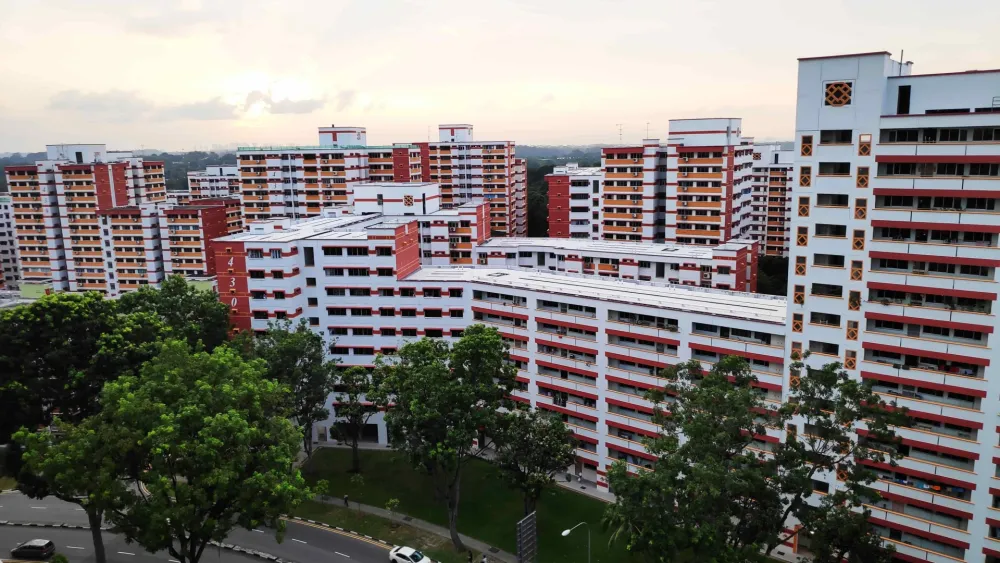
Analysts believe that private residential prices will continue to fall this year and into 2017, but the rate of decline is unlikely to exceed 20 percent. We forecast private residential prices would dip five percent to 15 percent over 2016 to 2017 and that 2016 primary residential sales would remain muted at between 6,000 to 9,000 units, said Eli Lee, an analyst at OCBC Investment Research. Find out more here.






















 Read Here
 Advertise
 Sign Up