SGX reforms set stage for 20+ IPOs in 2026
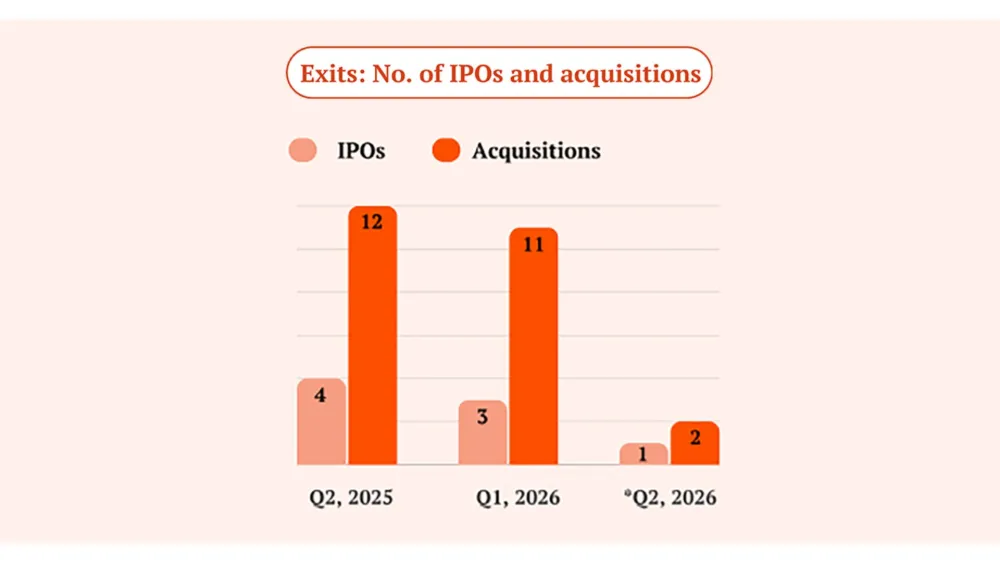
2025 logged 13 listings raising over $2.5b, Deloitte said.
Singapore’s stock market may host more than 20 initial public offerings (IPO) this year, a rebound that would mark a decisive pickup in deal activity as regulatory reforms and state-backed funding begin to lift the bourse.
The higher tally would build on 2025’s modest pipeline, with bankers citing a lower profit threshold and the Monetary Authority of Singapore’s (MAS) equity market development programme as key drivers in attracting more established and growth-oriented companies.
“The base expectation is many more IPOs compared with this year,” Jason Saw, group head of investment banking at CGS International Securities Pte. Ltd., told Singapore Business Review by telephone.
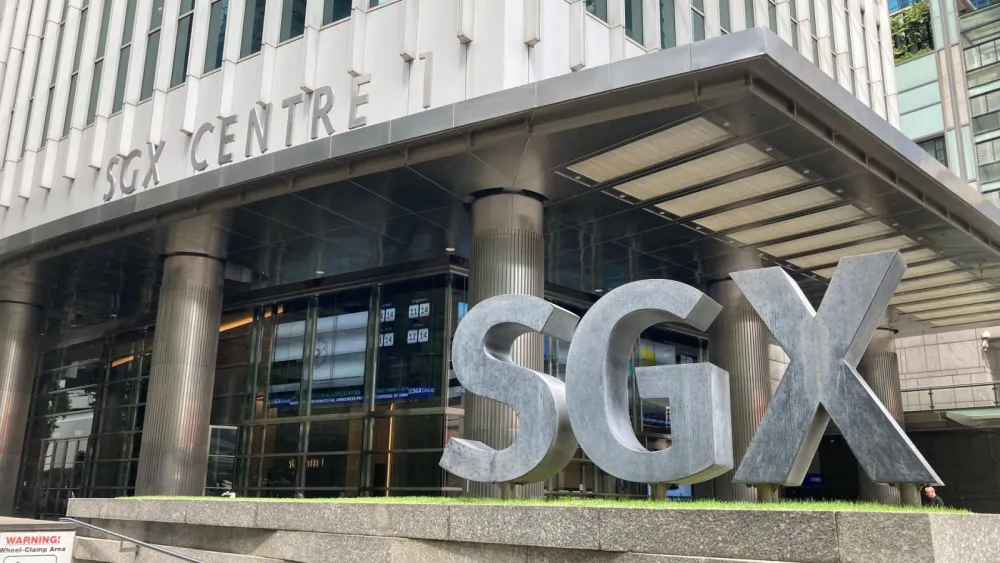
Recent Singapore Exchange Ltd. (SGX) reforms have made the market more attractive. The mainboard profit requirement was lowered to $10 million from $30 million, widening access for smaller but profitable firms.
Separately, MAS has allotted billions of dollars to fund managers tasked with participating in new listings and supporting liquidity.
Together, the measures aim to deepen the capital pool, improve aftermarket trading, and position Singapore as a more competitive venue for regional listings.
“Over the next two years, Singapore is likely to see a broader pipeline of quality listings, deeper liquidity, and greater sectoral diversity,” Stephen Bates, a partner and head of deal advisory at KPMG Services Pte. Ltd. in Singapore, said in an emailed reply to questions.
Investor confidence, particularly among institutional players, is also improving. More companies are considering listing locally, highlighting the SGX’s growing appeal, he said.
Singapore had 13 IPOs in 2025 that raised more than $2.5b (US$2b), according to Deloitte & Touche LLP.
Retail money is flowing back to the city because investors think the market will go up, said Saw, who’s been tracking investor activity in the city-state for the past decade.
“In the past, when investors bought something on SGX, even though it was undervalued, they were not sure if they could make a gain in only three or five years,” he said. “Today, there's a lot more confidence.”
New listings are likely to come from sectors with strong credit records, such as real estate investment trusts (REIT) and business trusts, as well as small and medium enterprises seeking public capital, he added.
The move by Singapore’s central bank to allocate $3.95b to nine fund managers in July and December 2025 is expected to further stimulate IPO activity. These fund managers must participate in listings and provide additional capital, increasing market depth.
“By offering greater flexibility and speed through a shorter time-to-market and reduced compliance burdens, Singapore can become more competitive for high-growth sectors such as tech, biotech, and sustainability-focused firms,” Bates said.
The changes could shift regional listing dynamics. Before, companies that met SGX’s $30m profit rule often considered Hong Kong or NASDAQ listings to tap larger investor pools.
Now, Singapore may retain more domestic and regional issuers, supporting both market depth and sector diversification.
Recent tech-related IPOs signal the shift is under way, with the potential to expand beyond traditional REIT and finance listings, Bates said.














 Read Here
 Advertise
 Sign Up