Daily Briefing: Luxury home sales surge amidst inherited asset boom; Wealthtech startup Bambu raises $10m in Series B funding
And Finnish biofuel producer Neste will expand Singapore refinery for $2.44b.
From Bloomberg:
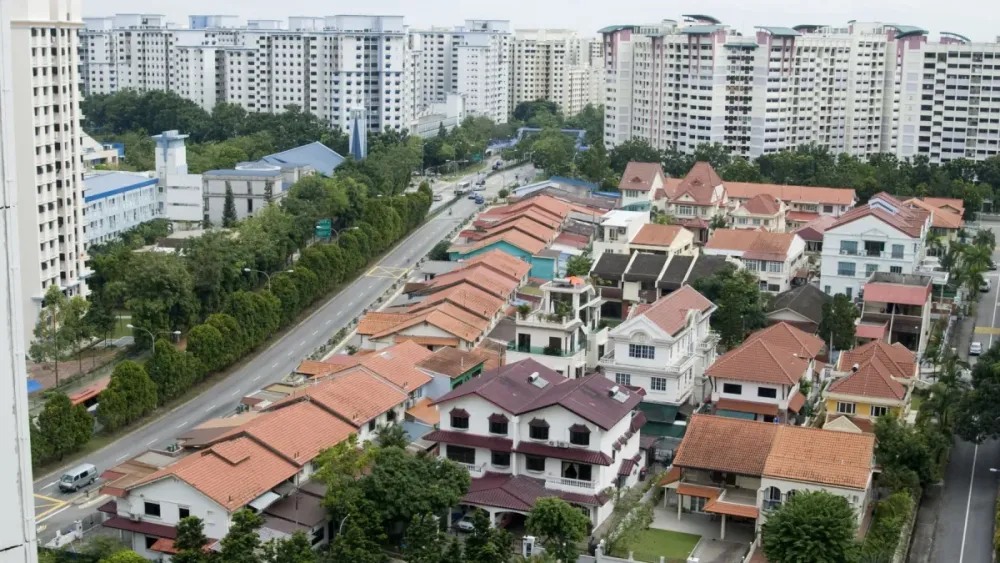
Not many 24-year-old university students live in a $1.2m (US$875,000) penthouse, kitted out with a Herman Miller Aeron office chair and Lelitespresso machine. Especially not in Singapore, one of the world’s most expensive property markets.
Shawn, whose loft-style apartment in Singapore’s leafy central Bukit Timah region was paid for entirely by his mother, is one of a lucky few. But his ranks are growing as families seek to work around cooling measures, including raised stamp duties on second and third homes, by buying properties for their children.
Data is scant but property agents say they’ve seen a noticeable up-tick in apartments being bought by wealthy families for their children since the property cooling measures came into effect in July 2018. Additional buyer’s stamp duty, or ABSD, is now levied at 12% for second homes and 15% for third and subsequent properties.
Read more here.
From e27:
Bambu, a Singapore-based startup providing digital wealth technology for B2B businesses across the globe, announced today it has closed $13.7m (US$10m) in a Series B funding round, co-led by third-time investor Franklin Templeton, along with new investor Chicago-based PEAK6 Strategic Capital.
With this funding, the SaaS startup looks to reach a wider B2B audience. Bambu also plans to expand the product offering to target new segments within financial services, as well as build up delivery and support teams in key global markets.
In the past three years, Bambu has established product market fit as a robo-advisor technology provider to more than 15 financial institutions globally, the company said in a statement.
Read more here.
From Reuters:
Finnish biofuel producer and oil refiner Neste is spending $2.44b (US$1.6b) to more than double the output at its Singapore refinery to meet rising global demand for renewable energy.
The refinery produces renewable fuels, mainly from waste and residues such as used cooking oil, animal fat from food industry waste, fish fat from fish processing waste and residues from vegetable oil processing.
The Singapore expansion, Neste’s single biggest investment to date, will increase renewable fuel output by up to 1.3 million tonnes per year (tpy) from the current 1 million tpy, chief executive Peter Vanacker told Reuters.
“We believe that the market in renewables will quadruple at least until 2030,” he said in an interview ahead of a ceremony to kick off the expansion.
Neste is aiming to capitalise on global growth in diesel and jet fuel consumption, Vanacker added.
Read more here.
























 Read Here
 Advertise
 Sign Up