Chart of the Day: This chart shows how bad residential oversupply can get
There'll be 168,200 units by 2014-2016.
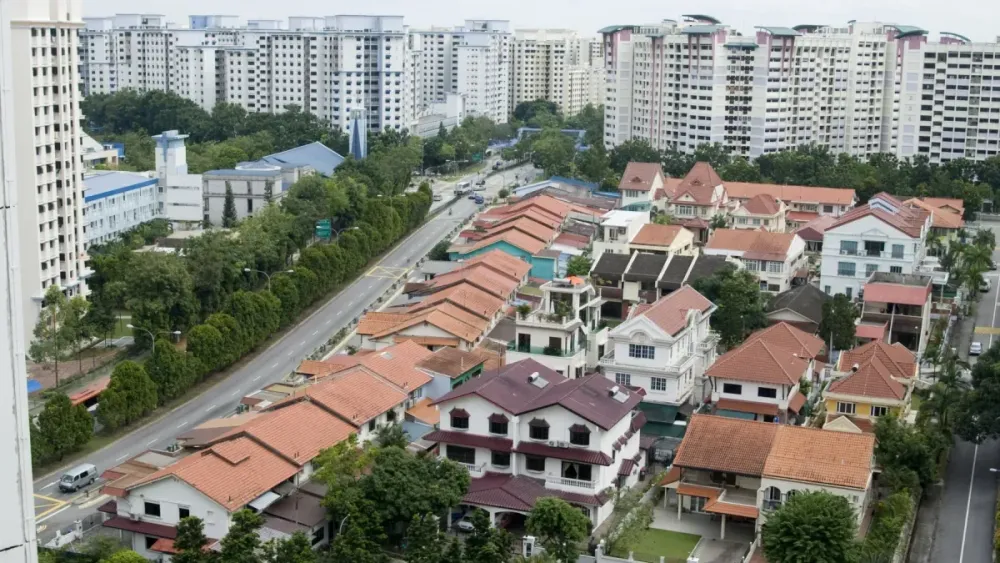
According to Phillip Capital, over the next 3 years, it would be an oversupply situation within the Singapore residential segment. Inclusive of both public and private sectors, they project the physical completion of 168,200 residential units from 2014 to 2016.
In contrast, they look into the underlying ‘real’ demand that stems from population growth.
Here's more from Phillip Capital:
We estimate that the increase in population will provide take-up of c. 71,400 residential units. Beside the local government intervention in the aforementioned portion, the oversupply situation will be a major factor in the gloomy outlook for residential.
The mass market continues the trend of having lesser individuals per residential units. Currently, based on the total residents and the total residential units, the ratio stands at an estimated 4.07 individuals per unit.
We do acknowledge that this ratio is exhibiting a downwards trend. However, for the market to absorb the upcoming 3-yr supply, we would need this ratio to lower a further 7%, at 3.78 individual per unit.
We do foresee residents continuing to favor having fewer individuals under a single roof. Nonetheless, with the aging population and the affordability issues, the ratio should not decrease much further. Within these 3 years, this factor will not substantially negate the oversupply effects.


























 Read Here
 Advertise
 Sign Up