Home prices to jump by 4%: Fitch Ratings
They are also expected to buck the declining trend in Chinese and Australian markets.
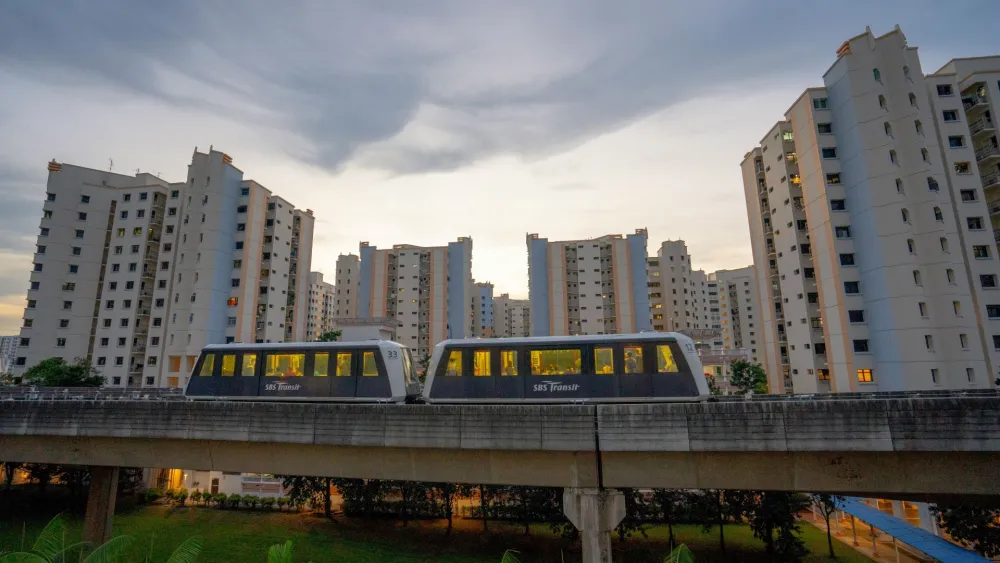
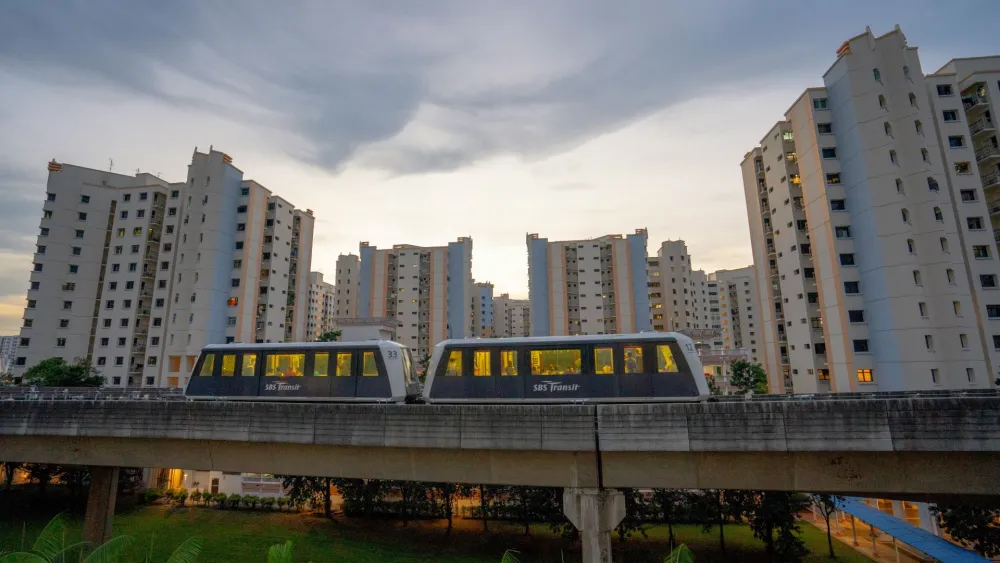
Singapore's housing market recorded its first price rise in almost four years in 3Q17, and Fitch Ratings projects it to accelerate further to 4%.
According to its 2018 Global Housing and Mortgage Outlook, the Lion City has reversed nearly four years of price declines as recent supply is absorbed and following a modest easing of regulatory restraints.
Fitch said the rise of prices in the county currently bucks the trend of decline in large housing markets like China and Australia.
Fitch Ratings analyst Suzanne Albers said, "Tighter mortgage regulation, record low rental yields, and increasing supply will slow Australian price growth. Policy measures will constrain Chinese prices, but are also contributing to pent-up demand."
Singapore also has substantial control over the market, by virtue of about 80% of housing being government-owned.
However, measures that curbed speculation are likely to remain in place, but a wave of new supply is now receding, whilst the earlier price correction has improved perceived value.
Fitch noted that Singapore is the only Asia Pacific market where they have a stable/positive outlook, whilst their outlook for all the others is stable.

























 Read Here
 Advertise
 Sign Up