Private home prices up 3.9% in Q1 as foreigners scramble for good deals
Malaysian and Chinese SPRs expressed willingness to shell out more to score good home buys.
Sustained demand from foreigners pushed private home prices up 3.9% QoQ in Q1, according to Edmund Tie & Company, as Singapore Permanent Residents (SPRs) from Malaysia and China made aggressive purchases for homes outside the Core Central Region (CCR).
Foreign purchases who are not NPRs directed their buying activity to prime districts or District 3.
“Foreign buyers in the prime districts are willing to pay for larger homes in projects with good location, appealing design and quality finishes,” the real estate consulting firm noted. “This led to significant increase in home prices in the CCR.”
Also read: Real estate outlook hits 8-year high
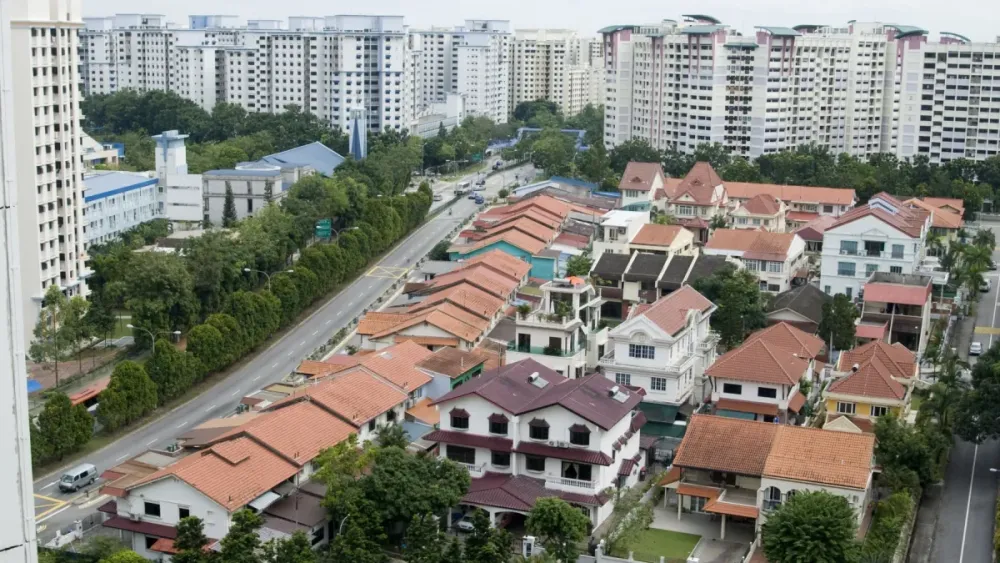
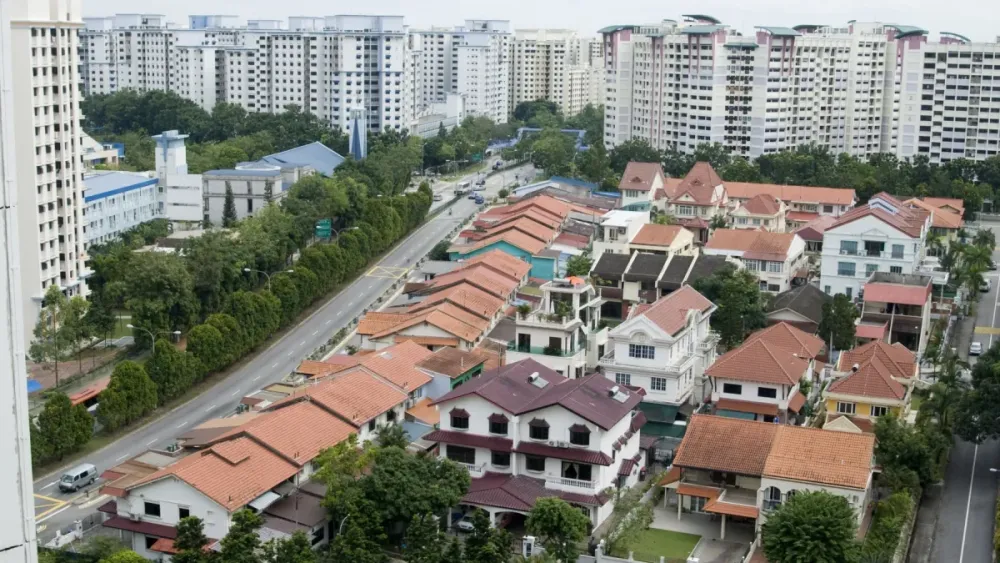
Prices of landed properties rose from 0.5% to 1.9% in Q1 whilst the prices of non-landed properties zoomed from 0.8% to 4.4% QoQ, according to the Urban Redevelopment Authority’s real estate statistics.
The prices of non-landed properties in CCR increased from 1.4% to 5.5% in Q1 whilst those of non-landed properties in Rest of Central Region (RCR) inched up from 0.4% to 1.2% and non-landed property prices in Outside Central Region (OCR) jumped from 0.8% to 5.6%.
Also read: Private condo prices in districts 1 and 2 hit historical highs in Q1
“For landed homes, the price appreciation is more muted because prices for detached homes remained largely unchanged due to its large quantum. However, there was strong demand for freehold terraced homes and semi-detached homes, and these two sub-segments are leading the price increase,” the company added.
Buyers seeking replacement homes also buoyed residential prices, Edmund Tie & Company noted, amidst fewer options in the secondary market which set higher price benchmarks.
As the existing stock of developers continue to run dry and supply of completed homes remain low, many projects especially those in the CCR have raised selling prices of their balance unsold units, some by even double-digits this year, noted Christine Sun, Head of Research & Consultancy at OrangeTee & Tie Pte Ltd.
Amidst pent-up demand and continued recovery of the residential market, prices are expected to trend even higher, forecasted Sun, in light of recent pricier enbloc acquisitions.
Also read: Prime en bloc sales in Q1 beat 2017 record
“With the stronger-than-expected price growth in Q1 2018, in particular, for non-landed homes, we now project average private home prices to rise by 8% for the full year 2018, implying a rise of another 4% for the rest of the year,” said Colliers International Head of Research Tricia Song.





















 Read Here
 Advertise
 Sign Up