Savills projects 7% rise in private home prices for 2025
Q1 saw a 0.8% QoQ increase in private home prices, following a sharper 2.3% rise in Q4 2024.
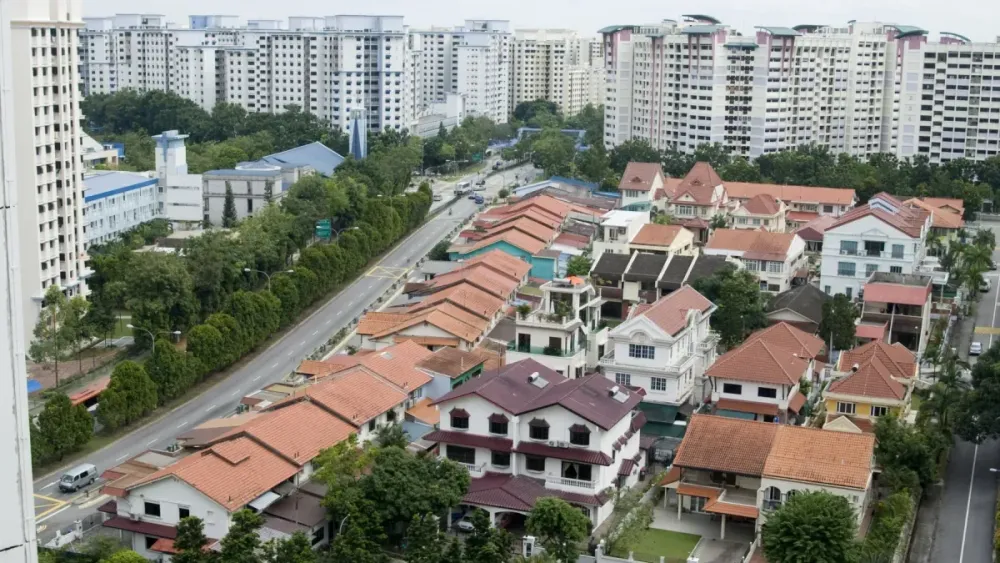
Private residential prices in Singapore are projected to increase by as much as 7% in 2025, according to real estate services firm Savills Singapore, which cited strong underlying demand and benchmark-setting project launches as key drivers.
According to the firm’s latest research, Q1 saw a 0.8% QoQ increase in private home prices, following a sharper 2.3% rise in Q4 2024. Although sales momentum has slowed since April due to economic uncertainties such as US tariff policies, prices continue to climb.
Savills attributed the market’s price resilience to two main factors: the financial strength of baby boomers and narrowing affordability gaps between HDB resale and private housing, which continue to support upgraded demand.
The firm expects that, barring government intervention or significant external disruptions, price growth may accelerate in upcoming quarters as more new launches enter the market with record-setting pricing in various locations.
While overall sales dipped in Q1, non-landed private home purchases by Singapore permanent residents (PRs) rose by 2.1% from the previous quarter, marking a second straight quarter of growth. PRs accounted for 13.9% of such sales, up from 13.3% in Q4 2024.
Conversely, sales by Singapore citizens fell by 2.6%, following four consecutive quarters of growth. Foreign buyers saw the steepest drop, down 17.6%, with their market share hitting a record low of just 1%, a level not seen since the Urban Redevelopment Authority began tracking the data.
The subdued foreign demand is linked to the Additional Buyer’s Stamp Duty hike in Q2 2023 and broader economic caution.
Savills views the market as cautiously optimistic, particularly in well-located and suburban areas. The report highlighted a supportive environment created by controlled land supply and solid market fundamentals, which contribute to stable and sustainable growth.
Despite some pullback in transaction volumes, the underlying demand remains intact, offering long-term value opportunities for both homeowners and investors.

























 Read Here
 Advertise
 Sign Up