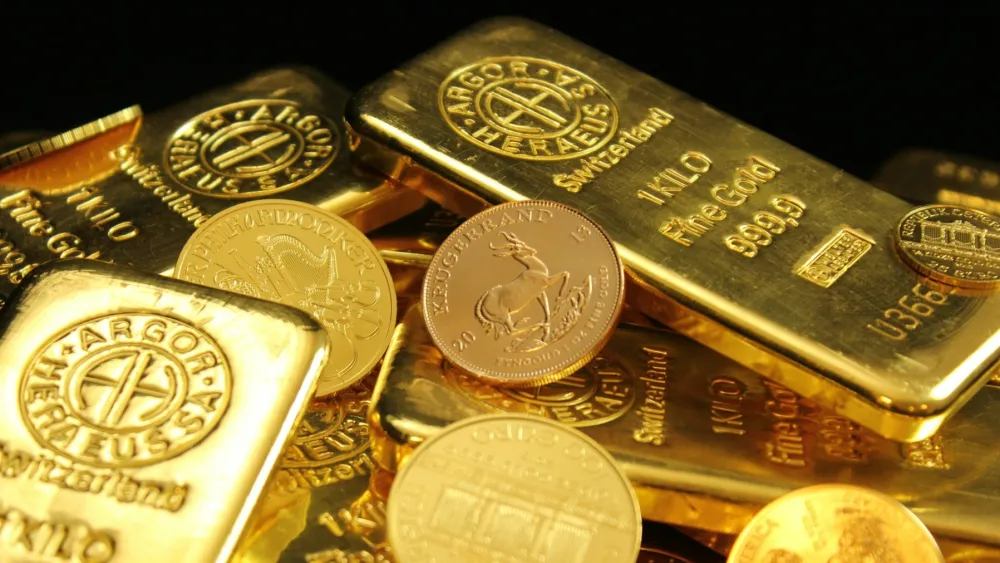
Chinese consumers to become biggest luxury spenders by 2012
Luxury tax amounted to RMB1.2trn in 2010.
This is equivalent to 78% of central government spending, according to HSBC.
Here’s more form HSBC:
| -Chinese consumers to be the world’s largest spenders on luxury by 2012 but 80% of these purchases are made overseas; this has prompted calls in the press and market for luxury tax cuts in China -A moderate reduction would face political resistance and might still fail to bring much spending home or result in significant price cuts; we do not expect a meaningful luxury tax cut -If such a cut is made, it would benefit earnings of Swatch and Richemont and to a lesser extent Hengdeli and Biostime, as well as department stores such as Intime and Golden Eagle We see no meaningful luxury tax cuts in near term Our analysis shows that it may be premature to expect luxury tax cuts in the near future for the following reasons: (1) a moderate cut in luxury tax would neither bring overseas spending home nor lead to meaningful retail price cuts or boost domestic sales; (2) the current political environment is not conducive for cuts in the luxury tax that would appear to favour the rich; and (3) Chinese authorities are having an internal debate regarding the pros and cons of a tax cut, with the MOFCOM largely in favour of a tax cut and the MOF against. However, rising incomes may have altered consumers’ definition of luxury goods in China, with some, such as imported milk powder and cosmetics, now being considered necessities. We believe a tax reduction for such goods could boost domestic consumption and local brand competitiveness, benefiting earnings of baby food maker Biostime or retailers such as Intime and Golden Eagle. |
Photo from Jerry Leo






















 Read Here
 Advertise
 Sign Up