Unnecessary items to dominate Singaporeans' expenditures
It will account for almost 60% of household spending.
Non-essential spending will continue to dominate total household spending between 2017 and 2021, accounting for 56.6% of household spending. With that said, BMI Research expects essential spending to experience robust growth over our forecast period, growing at an average annual rate of 6.9% between 2017 and 2021 compared to 5.6% for non-essential spending over the same period.
Real household spending in Singapore will experience rapid acceleration in growth over 2017 growing at 4%, up from 1.7% in 2016, according to BMI Research.
Here’s more from BMI Research:
This acceleration in essential spending will largely be driven by growth in housing and utilities spending, which is poised to outperform over our forecast period.
Spending on essential goods and services - food and non-alcoholic drinks, clothing & footwear, housing & utilities, transport and communication - will comprise 43.4% of total household spending in 2017. This figure is comparable to other highly developed and affluent markets in Asia, such as Japan or Hong Kong.
In the space-starved city-state, housing & utilities costs are very high, representing the largest household spending category and accounting for 20% of total expenditure. Despite the current slowdown in the city-state's property market, we believe housing costs will continue rising over the medium term and are set to represent 21.5% of the total household budget in 2021.
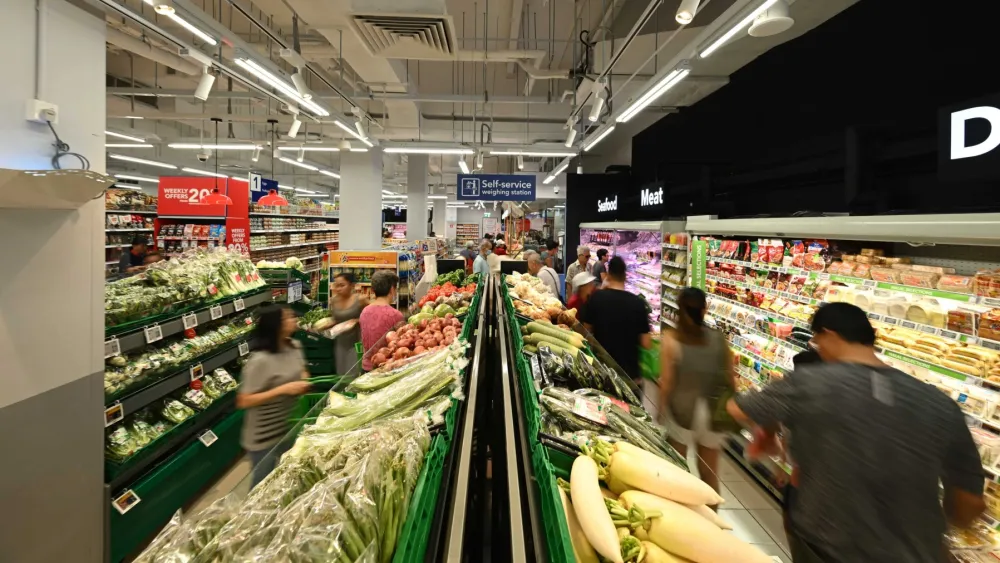
The second largest spending category within essentials - transport - will follow a different trajectory and will see its share in the overall spending picture decline. Singapore's public transportation system is well developed and its costs will lag behind the rapid income growth we forecast in the next five years. In the meantime, spending on food and non-alcoholic drinks will remain low, representing just 6.3% of total spending in 2021, which is the lowest figure across the Asia Pacific region.
The remaining two essentials categories - clothing & footwear and communications - take up minor shares of household spending, in the range of 2.0-2.5% of the total. We do not expect major spending shifts in these areas over the next five years.






















 Read Here
 Advertise
 Sign Up